


Your closet doesn't need more clothes. It needs better ones. If you're tired of fast fashion falling apart after five washes, or logo-heavy basics that scream for attention instead of earning it, you're in the right place. Finding real sustainable minimalist clothing brands takes work, because plenty of labels slap "eco-friendly" on a tag without changing how they actually make clothes.
This list answers a simple question: which brands actually deliver on both promises, minimal design and genuine sustainability, without charging you triple for a plain t-shirt? We looked at fabric sourcing, construction quality, and how honestly each brand talks about its supply chain. No greenwashing, no vague claims about "eco-conscious materials."
Below you'll find 12 brands spanning different price points and specialties, from Supima cotton basics built to outlast trends to outerwear made from recycled fibers. We included SÖMNAD here because it reflects the same philosophy this list is built on: fewer pieces, made properly, worn for years instead of one season. Whether you're rebuilding your wardrobe from scratch or replacing pieces that wore out too fast, you'll walk away with options that fit your budget and your values.
1. What makes a clothing brand sustainable and minimalist
Before you hand over your credit card to any brand claiming to be both green and minimal, know what you're actually checking for. Sustainability isn't a marketing sticker, it's a set of decisions a brand makes about materials, labor, and how long a garment survives in your closet. A brand that grows organic cotton but ships it through five factories before it reaches you isn't practicing sustainability, it's practicing distance.
Certifications help you separate substance from spin. Look for GOTS certification (Global Organic Textile Standard) on cotton items, OEKO-TEX for chemical safety, and Fair Trade or B Corp status for labor practices. None of these are perfect, but a brand that pursues them has skin in the game. A brand with none of them, and no explanation why, is worth a second look.
A t-shirt that lasts five years and gets worn every week beats five t-shirts that last a year each, no matter what either costs upfront.
Minimalism, meanwhile, comes down to restraint in design and restraint in your buying habits. A minimalist brand builds pieces that work with everything you already own, favors natural fiber content over synthetic blends, and skips seasonal drops designed to make last year's basics feel dated. Cost per wear is the metric that actually matters here, not sticker price.
Here's a quick checklist to run any brand through before you buy:
- Fabric origin: Does the brand name the farm, mill, or region the fabric comes from, or just say "eco-friendly material"?
- Factory transparency: Can you find the name and location of the factory that makes the garment?
- Fiber content: Is it a natural or recycled fiber (organic cotton, Supima cotton, TENCEL, recycled wool) rather than virgin polyester?
- Construction: Reinforced seams, quality stitching, fabric weight suited to the garment's purpose.
- Design lifespan: Will this piece still make sense in your wardrobe three years from now?
- Return and repair policy: Does the brand stand behind the garment after the sale?
Brands that pass most of these checks tend to share a few traits: they publish supply chain details on their own site rather than burying them, they use fewer fabric blends, and they release fewer, better products instead of chasing trend cycles. That's the standard every brand on this list gets measured against.
2. SÖMNAD
Sustainability approach
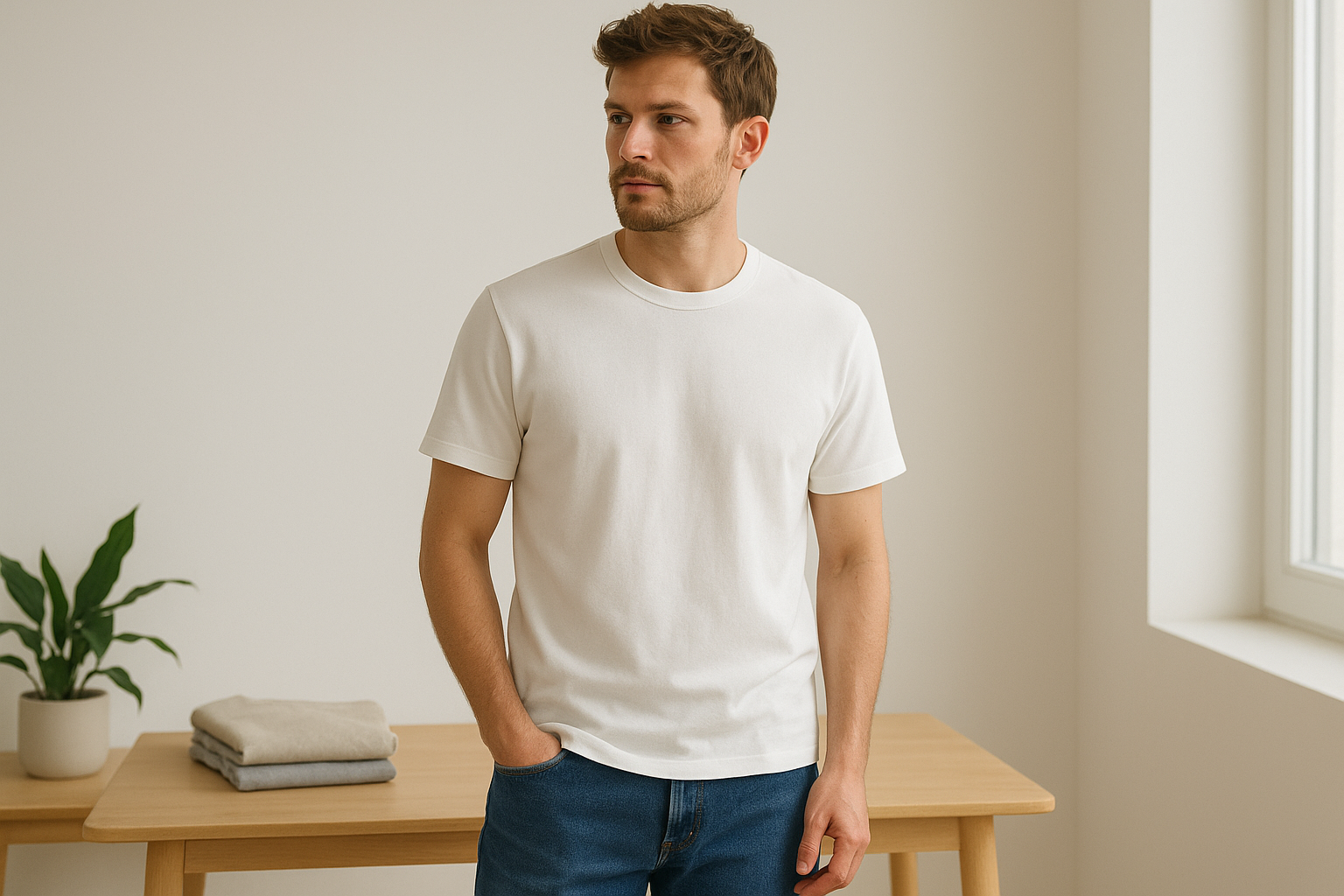
SÖMNAD builds its entire catalog around one idea: fewer garments, made from better material, worn longer. The brand's signature relaxed tee uses 300g Supima cotton, a long-staple fiber that resists pilling and holds its shape wash after wash instead of thinning out after a season. Rather than chasing a wide product range, SÖMNAD keeps its lineup tight, which cuts down on overproduction and the fabric waste that comes with constantly rotating styles.
Buying one shirt that survives 200 washes does more for the planet than buying five that survive 40 each.
Style and fit
Every piece leans into the no-logo philosophy that defines the whole brand. Cuts are clean and relaxed without drifting into oversized or sloppy territory, built to layer under a jacket or stand alone on a warm day. Color palettes stay neutral, so a SÖMNAD tee from two years ago still matches whatever you bought last month.
Best for
SÖMNAD suits shoppers who want their clothing to look expensive through fabric and fit rather than a printed name across the chest. It's a strong fit if you're consolidating your closet down to pieces that mix and match, and you'd rather own three excellent tees than ten mediocre ones from a fast-fashion rack.
Pricing
Expect to pay in the mid-range for basics, roughly what you'd spend on a quality tee from any premium DTC brand, though pricing sits below traditional luxury labels using comparable Supima cotton. There's no markup for branding you're not getting, which keeps the value proposition straightforward: you're paying for the fabric and the stitching, not the logo.
3. Quince
Sustainability approach
Quince built its business model around cutting out the middlemen that inflate clothing prices, and that same model shapes its sustainability approach. The brand works directly with factories that also supply luxury houses, which means it can demand better labor standards and material sourcing without the markup those luxury names charge. Quince sources responsibly grown cashmere from Mongolian herders using rotational grazing practices, and its cotton comes from suppliers holding OEKO-TEX certification, so you're not stuck guessing what chemicals touched your clothes before they touched you.
Style and fit
Cuts stay simple and wearable, favoring silhouettes that work in an office or on a weekend errand run. Fabrics rotate through organic cotton, washable silk, European linen, and Mongolian cashmere, giving you natural-fiber options across every season rather than locking you into one material. Nothing here shouts for attention; the appeal comes from how the fabric feels and drapes, not from any visible branding.
Best for
Quince suits shoppers who want luxury materials without paying luxury prices, especially anyone building a capsule wardrobe on a tighter budget. It's also a solid pick if you've never owned cashmere and want to test the fabric before committing to a pricier brand.
Direct sourcing means you can own a cashmere sweater without the luxury-brand price tag attached to the label.
Pricing
Pricing runs notably lower than comparable brands: cashmere sweaters often land between $50 and $80, cotton tees start around $20, and silk pieces rarely cross the $100 mark.
4. Pact
Sustainability approach
Pact built its name on Fair Trade Certified factories and organic cotton sourced through GOTS-certified supply chains, long before sustainability became a marketing checkbox for bigger retailers. Every cotton item traces back to farms that skip synthetic pesticides and fertilizers, and the brand publishes factory details rather than hiding them behind vague sustainability pages. Manufacturing happens in facilities that pay fair wages and limit water use, which matters if you're trying to avoid brands that talk about ethics without proving it.
A Fair Trade label only means something when a brand shows you the factory behind it.
Style and fit
Designs stay basic on purpose: tees, henleys, joggers, and underwear in soft, breathable organic cotton that feels closer to a well-worn favorite than something fresh off a rack. Fits run true to size and lean toward relaxed silhouettes, built for everyday rotation rather than one standout look. Colors stay muted and seasonless, so nothing you buy this year clashes with what you already own.
Best for
Pact works well for shoppers replacing their entire underwear and loungewear drawer with organic cotton, plus anyone dressing kids or babies in non-toxic fabric. It's also a smart entry point if you're new to ethical fashion and want an affordable way to test the category before spending more elsewhere.
Pricing
Pact keeps prices accessible: tees typically run $28 to $38, underwear sits around $12 to $16 per pair, and loungewear sets stay under $80. That affordability, paired with real certification, makes Pact one of the more budget-friendly entries on this list.
5. Kotn
Sustainability approach
Kotn works directly with Egyptian cotton farmers, cutting out the trading houses that usually sit between farm and factory. The brand pays above-market prices for long-staple Egyptian cotton, then funnels a share of profits into building schools in the farming communities it sources from, a commitment it tracks and reports publicly rather than folding into a vague giving statement. Manufacturing happens in factories the brand audits directly, so you're not relying on a third-party badge to vouch for labor conditions.
Paying farmers fairly at the source does more for sustainability than any certification stamped on later.
Style and fit
Kotn's catalog stays narrow on purpose: tees, oxford shirts, sweaters, and essentials cut from breathable Egyptian cotton that softens with each wash instead of pilling. Fits run true to size with a slight ease through the shoulders, built for layering under a jacket or wearing alone in warm weather. The palette leans toward earth tones and soft neutrals, so pieces bought years apart still sit together in the same drawer.
Best for
Kotn suits shoppers who want a direct link between their purchase and the farming community that grew the fabric. It's also a good fit if you prefer breathable cotton over synthetic blends and want a wardrobe that photographs well without trying to.
Pricing
Kotn sits in the accessible-premium range: tees run $24 to $34, oxford shirts land around $58, and sweaters typically cost $68 to $98. That pricing keeps the brand within reach for shoppers building a cotton-based capsule wardrobe without stretching toward luxury territory.
6. Organic Basics
Sustainability approach
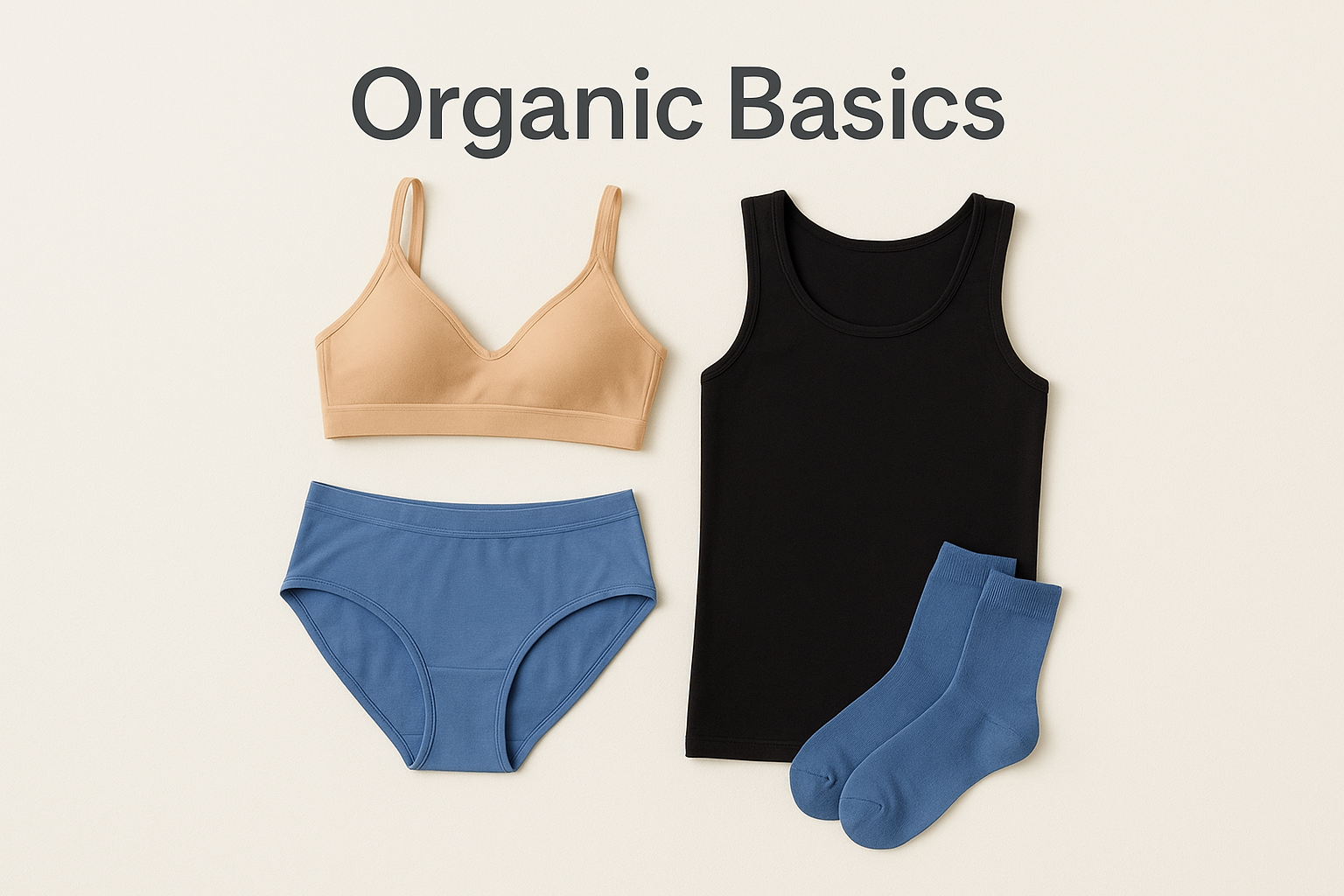
Organic Basics built its brand around performance basics made from certified organic and recycled materials, targeting the synthetic-heavy underwear and activewear market that most sustainable brands ignore. The Danish company uses GOTS-certified organic cotton and recycled nylon sourced from ocean waste and post-consumer plastic, replacing the virgin polyester that dominates basics like bras and boxers. Every product page lists the exact fabric composition and factory location, a transparency habit few competitors bother with in the underwear category specifically.
Choosing recycled nylon over virgin polyester in underwear alone keeps thousands of plastic bottles out of landfills.
Style and fit
Silhouettes stay simple and body-hugging, designed to disappear under clothing rather than make a statement. Colorways rotate through muted neutrals, black, and the occasional seasonal shade, all engineered to layer under minimalist outerwear. Fabrics feel closer to technical performance wear than typical cotton basics, prioritizing stretch and breathability over the workwear-inspired look found elsewhere on this list.
Best for
Shoppers replacing synthetic underwear, socks, and activewear drawers with recycled or organic alternatives will find Organic Basics fills a gap most minimalist brands leave open. Anyone chasing a fully sustainable base layer wardrobe, from bras to base-layer tops, gets covered here in one stop rather than piecing it together across several labels.
Pricing
Expect mid-range pricing: tees run $35 to $45, underwear averages $18 to $28 per piece, and bras land between $30 and $50. That's higher than Pact, but the technical fabric performance and certified recycled content explain the gap.
7. Everlane
Sustainability approach
Everlane made its name on radical transparency, publishing the actual cost breakdown behind many products, from materials to labor to markup. The brand works with factories it audits for fair wages and safe conditions, and it's pushed to eliminate virgin plastic from its supply chain through its ReNew line, which turns recycled plastic bottles into fleece and outerwear. Where Everlane falls short of brands like Pact or Kotn is certification depth; it relies more on self-reported audits than third-party badges like GOTS or Fair Trade, so you're trusting the brand's own word more than an outside verifier.
Transparency about cost is useful, but it's not the same guarantee as third-party certification.
Style and fit
Cuts stay clean and modern, favoring structured basics like the Organic Cotton Crew and the Cheeky Jean over anything trend-driven. Fits run consistent across categories, and the color palette sticks to neutrals with the occasional muted pastel each season. Fabrics blend organic cotton, recycled cashmere, and TENCEL, giving you texture variety without straying into synthetic-heavy territory.
Best for
Shoppers who want a wider size range and more style variety than a strict basics brand offers will find Everlane's catalog easier to build a full capsule wardrobe from, denim included. It also suits anyone who wants transparency they can actually read on a product page, even if it's not backed by outside certification.
Pricing
Pricing sits mid-range: tees run $28 to $38, denim lands between $78 and $128, and outerwear pieces typically cost $150 to $250, positioning Everlane above Pact but below most of the luxury-adjacent names on this list.
8. Reformation
Sustainability approach
Reformation tracks the environmental footprint of every garment it makes and publishes that data on the product page, down to water use and carbon impact. The brand sources deadstock fabric, TENCEL, and recycled materials to avoid the demand for new virgin textiles, and it's been carbon neutral since 2015 through offsets paired with real reductions in its supply chain. Reformation also owns and audits several of its own factories in Los Angeles, which gives it more direct control over labor conditions than brands that rely entirely on third-party manufacturers.
Publishing the carbon footprint of a garment right on the product page holds a brand accountable in a way vague mission statements never do.
Style and fit
Reformation leans more fashion-forward than most brands on this list, with fitted silhouettes, feminine tailoring, and seasonal color drops layered over its sustainability commitments. Fabrics rotate through viscose, TENCEL, and deadstock cotton, giving pieces a drapey, elevated feel rather than the boxy basics found at Pact or Kotn. Sizing runs inclusive across most categories, extending further than many size-limited sustainable brands.
Best for
Shoppers who want their minimalist wardrobe to include dresses, going-out pieces, and tailored workwear alongside basics will find more range here than at any other brand on this list. It also suits anyone who wants proof of environmental impact, not just claims, attached to every purchase.
Pricing
Pricing sits in the mid-to-premium range: tees run $38 to $58, dresses cost $128 to $248, and outerwear typically lands between $200 and $400, reflecting the brand's fashion-forward positioning within the sustainable category.
9. Cuyana
Sustainability approach
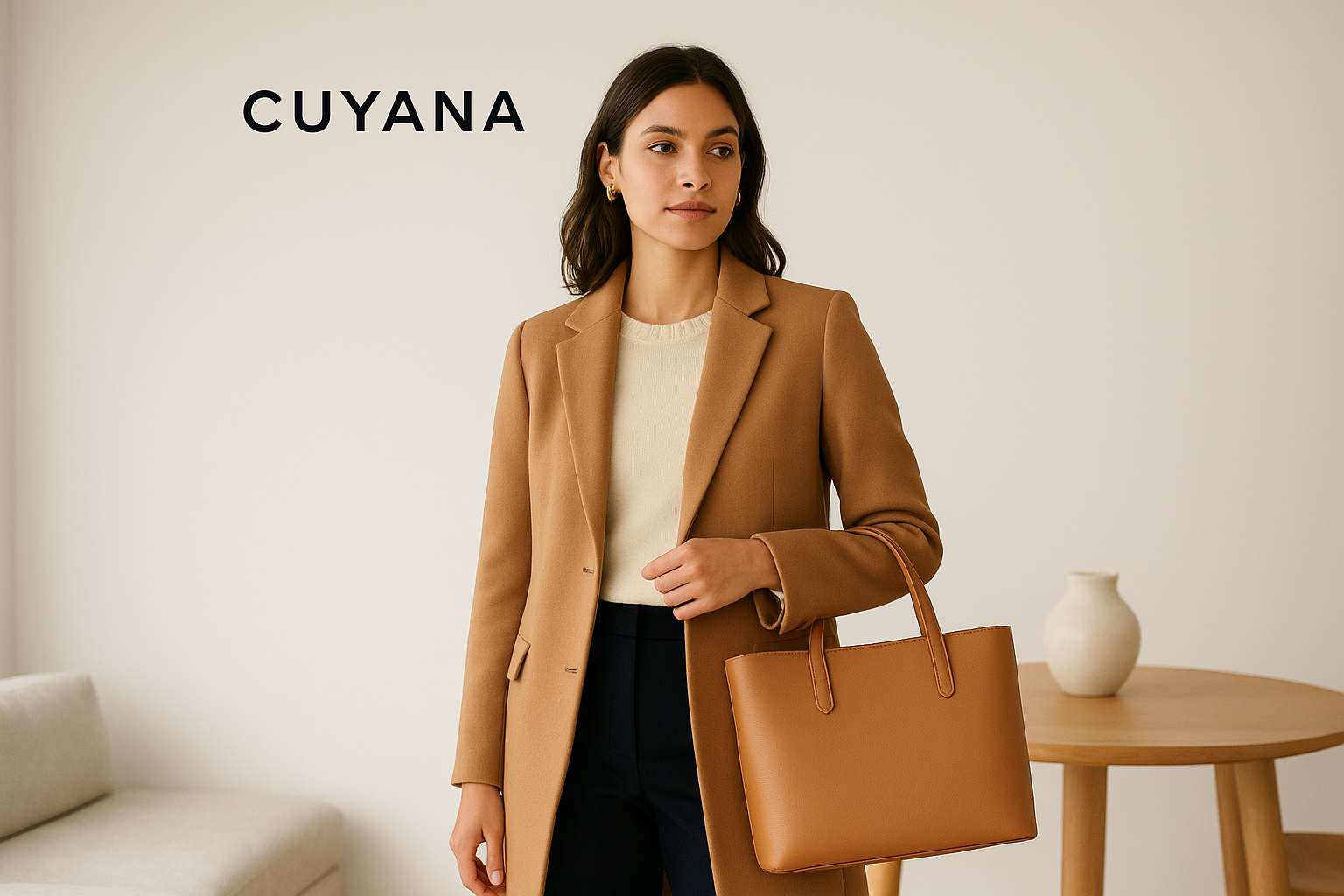
Cuyana built its entire brand philosophy around a single phrase: "fewer, better things." That mindset shapes how the company sources materials, favoring Italian leather tanned in facilities that meet environmental standards, along with responsibly sourced cashmere and organic cotton for its apparel line. The brand tracks its supply chain closely enough to name the tanneries and mills it works with, and it's pushed to eliminate excess packaging and reduce production runs so nothing sits unsold in a warehouse waiting to be discounted.
Fewer, better things isn't a slogan, it's a supply chain decision that limits overproduction before it starts.
Style and fit
Cuyana started as a leather goods label before expanding into apparel, and that heritage shows in the structured, polished silhouettes across its clothing line. Pieces favor clean lines and a slightly elevated fit over relaxed basics, built to look intentional whether you're at a desk or out for dinner. The color palette stays restrained, mostly camel, black, cream, and navy, so a bag bought years ago still pairs with a coat purchased last month.
Best for
Cuyana suits shoppers who want their minimalist wardrobe to extend past t-shirts into bags, outerwear, and tailored pieces that read as investment purchases. It's a strong fit if you already own basics elsewhere and want to add polished staples that elevate an outfit without adding visual noise.
Pricing
Expect premium pricing here: leather bags run $150 to $350, cashmere sweaters land around $150 to $220, and apparel basics typically cost $80 to $150, placing Cuyana above most brands on this list outside of Toteme.
10. Naadam
Sustainability approach
Naadam works directly with nomadic herders in Mongolia's Gobi Desert, paying above-market rates for raw cashmere and cutting out the trading houses that usually squeeze both farmer and customer. The brand's Grasslands Conservation Fund pays herders extra to reduce herd sizes, addressing the overgrazing that's degraded Mongolian grasslands for decades. Naadam also dyes its cashmere using low-impact processes and tracks water use per garment, publishing the numbers rather than folding them into a vague mission statement.
Paying herders to shrink their herds is the rare sustainability move that costs the brand money upfront to save the land long-term.
Style and fit
Sweaters, cardigans, and base layers make up most of the catalog, cut in relaxed, forgiving silhouettes that skip the tight, body-conscious shapes found at higher-end cashmere labels. Colors stay grounded in neutrals and muted brights, built to layer under a jacket in fall or stand alone once temperatures drop further. Among sustainable minimalist clothing brands focused on knitwear, Naadam's fit runs true to size with just enough ease to layer comfortably.
Best for
Shoppers wanting an entry point into ethically sourced cashmere without paying luxury markup will find Naadam hard to beat. It also suits anyone building a cold-weather capsule around a handful of versatile knits instead of a closet full of thin sweaters.
Pricing
Expect cashmere sweaters between $75 and $150, base-layer tees around $35 to $50, and cardigans typically landing near $130, keeping Naadam well below traditional cashmere houses charging triple for comparable fiber quality.
11. Eileen Fisher
Sustainability approach
Eileen Fisher has run a take-back program called Renew since 2009, buying back worn garments from customers and reselling or remaking them into new pieces rather than letting them end up in a landfill. The brand sources certified organic cotton, linen, and responsibly raised wool, and it's pushed further than most competitors by publishing an annual Vision2030 report tracking water use, chemical reduction, and fair labor progress across its supply chain. Manufacturing runs through factories vetted for wage and safety standards, and the brand's own dye houses have cut hazardous chemical use well below industry norms.
A brand that buys back its own worn clothes to give them a second life is proving its sustainability claims, not just stating them.
Style and fit
Garments favor loose, drapey silhouettes built from natural fibers like linen, silk, and merino wool, designed to skim the body rather than cling to it. Sizing runs generous and forgiving, with several pieces cut to work across multiple body types without alteration. Colors stay muted and tonal, so a linen tunic bought five years ago still layers naturally with a wool cardigan purchased this season.
Best for
Shoppers over 40 looking for relaxed, elevated basics that skip tight or trend-driven cuts will find Eileen Fisher's catalog built specifically for that stage of life. It also suits anyone drawn to the resale and take-back model, since buying secondhand through Renew costs less while keeping garments circulating longer.
Pricing
Expect premium pricing on new pieces: tees run $78 to $118, sweaters land between $150 and $248, and linen dresses typically cost $178 to $268. Renew resale pieces run roughly 30 to 50 percent below retail.
12. Patagonia
Sustainability approach
Patagonia has spent five decades building environmental activism into its business model, not bolting it on after the fact. The company pours 1% of sales into grassroots environmental groups through its self-imposed Earth Tax, and in 2022 founder Yvon Chouinard transferred ownership of the entire company to a trust and nonprofit designed to funnel profits toward fighting climate change. Patagonia also runs Worn Wear, a repair and resale program that keeps jackets and fleeces out of landfills for years longer than a typical outerwear brand manages.
Giving away the company itself to fight climate change is a commitment few brands on this list can match.
Style and fit
Functional, technical design drives everything here, favoring recycled polyester and organic cotton over the natural-fiber basics found at brands like Kotn or Pact. Fits run true to size with room for layering, since most pieces double as outdoor gear built to handle real weather rather than a coffee run. Colors lean toward practical earth tones and muted brights, aging well across seasons instead of looking dated.
Best for
Shoppers who spend real time outdoors, hiking, camping, or commuting through harsh weather, will get more mileage from Patagonia than from any purely fashion-focused label here. It also suits anyone who wants their spending to fund environmental activism directly rather than through vague corporate giving statements.
Pricing
Expect mid-to-premium pricing: fleeces run $99 to $199, rain jackets cost $150 to $300, and base-layer tees typically land between $35 and $55, putting Patagonia in line with Reformation's outerwear range.
13. Toteme
Sustainability approach

Toteme built its reputation on Scandinavian minimalism before sustainability became part of its pitch, and that order still shows in how the brand talks about itself. The Swedish label sources responsibly certified wool, organic cotton, and recycled materials for a growing share of its collections, and it discloses supplier lists through its sustainability page rather than staying silent on factory locations. Toteme hasn't chased every certification badge the way Pact or Organic Basics has, but it has committed to a reduced-collection model, releasing fewer styles per season and keeping core pieces in rotation for years instead of retiring them after one cycle.
A brand that keeps the same coat in its lineup for five years is fighting overproduction just by refusing to redesign it.
Style and fit
Toteme's signature is the oversized silhouette, tailored enough to still read as polished rather than sloppy. Wool coats, structured trousers, and knitwear dominate the catalog, cut with clean lines and almost no visible branding beyond a small woven tab. Colors stay locked to a tight palette of camel, black, cream, and grey, so pieces bought across different seasons still sit together in one closet.
Best for
Toteme suits shoppers who want their minimalist wardrobe to lean toward elevated outerwear and tailoring rather than casual basics. It's a strong fit if you already own your everyday tees and underwear elsewhere and want a handful of statement pieces, a coat, a blazer, a sweater, that carry an outfit on their own.
Pricing
Expect steep pricing here: wool coats run $600 to $1,200, sweaters cost $250 to $450, and trousers typically land between $300 and $450, placing Toteme firmly at the top of this list alongside the priciest luxury-adjacent names.
14. How to build a sustainable minimalist wardrobe
Start by counting what you already own before buying a single new item. Pull everything out of your closet, sort it by how often you actually wear it, and you'll likely find that 20% of your clothes cover 80% of your outfits. That gap tells you exactly where your wardrobe gaps actually sit, instead of guessing based on what looks appealing in an ad.
Next, build your closet in phases rather than one big haul. Buying everything at once from a single brand locks you into one fit, one fabric, and one price point before you know what actually works for your body and routine.
- Replace your most-worn item first, whatever wears out fastest.
- Add one versatile layering piece (a tee, a cardigan) before adding anything trend-specific.
- Test one new brand with a single item before committing to a full wardrobe swap.
- Wait 30 days between purchases to confirm you actually reach for what you bought.
A wardrobe built one deliberate piece at a time beats one built in a single shopping cart.
Set a simple rule for yourself: one item in means one item out. Donating or reselling what you replace keeps your closet from creeping back toward clutter, and it forces you to actually evaluate whether a new purchase earns its spot. Treat cost per wear as your only real budget metric, since a $120 tee worn weekly for five years costs less per wear than a $20 tee tossed after five washes. Finally, keep a running list of what you're missing rather than shopping reactively; a list you revisit monthly does more for your closet than a scroll through a sale email.
Finding your everyday essentials
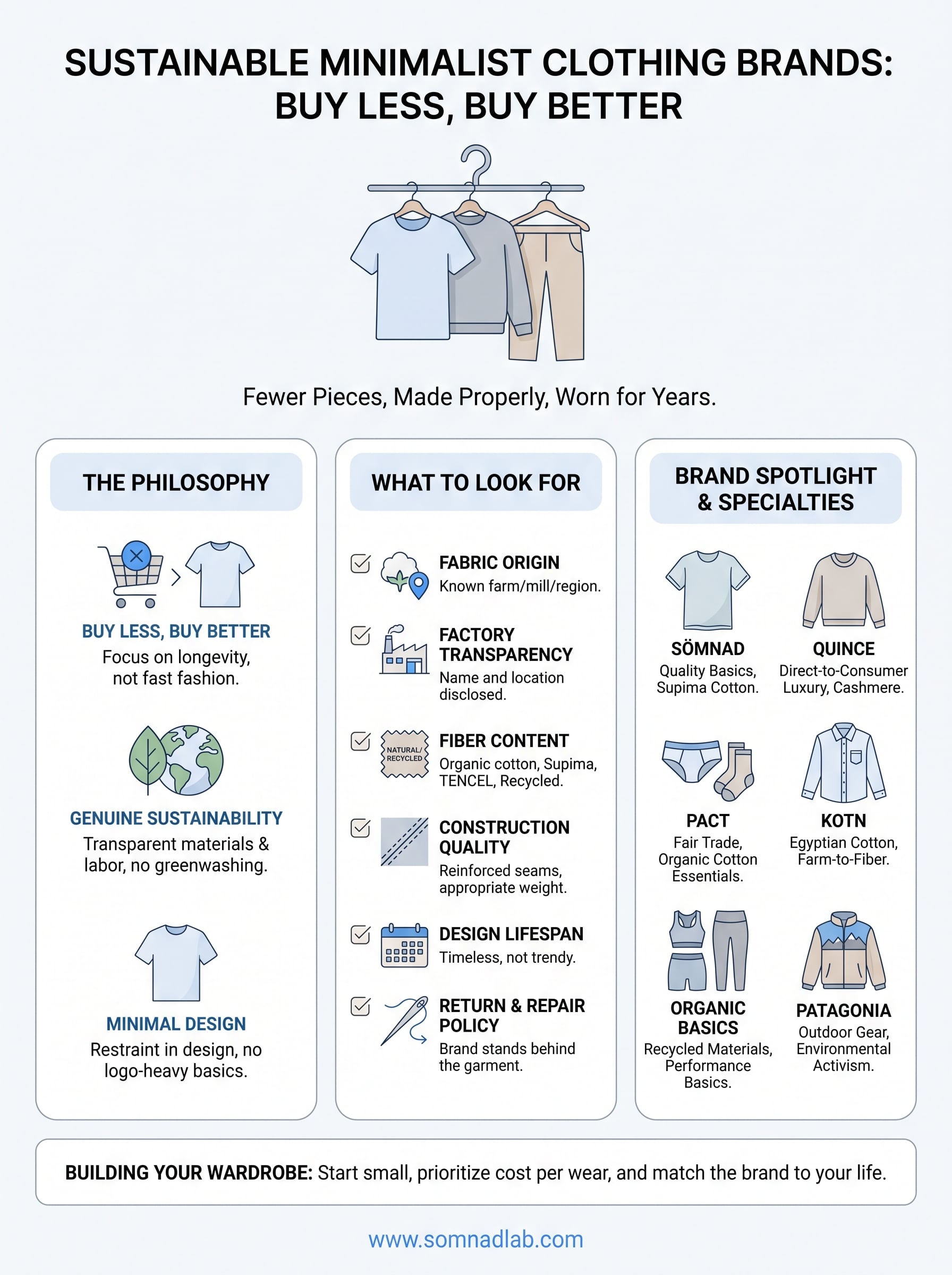
Twelve brands, one shared philosophy: buy less, buy better, and let the fabric do the talking instead of a logo. Sustainable minimalist clothing brands aren't interchangeable, though. Patagonia earns your money if you're outdoors every weekend, Toteme earns it if you want one coat that carries an entire outfit, and Pact earns it if you're rebuilding a drawer of basics on a tight budget. Match the brand to your actual life, not the version of your closet you wish you had.
Start small no matter which name you pick. One well-made tee tells you more about a brand's construction quality than any product description ever will. If you're ready to test that idea, SÖMNAD's relaxed tee gives you 300g Supima cotton, a clean fit, and zero branding competing for attention. Shop the SÖMNAD collection and see whether one honest basic changes how you think about the other ten items still hanging in your closet.