


Most guides to sustainable clothing brands for men read like they were written by someone who never checked a tag. You get vague words like "eco-friendly" and "conscious" slapped on a list, with no mention of what the clothes are actually made from or how long they'll last. That's a problem, because the most sustainable thing you can buy is something you won't replace in eight months.
This list skips the greenwashing and focuses on brands that back up their claims with real material choices and construction that holds up to daily wear. You'll find companies using organic cotton, recycled fibers, and traceable supply chains, alongside brands like ours that treat durability as sustainability: fewer purchases, less waste, better cost per wear.
Below are ten brands worth your money in 2026, covering everything from tees and basics to outerwear and denim. Each one earned its spot for a specific reason, whether that's fabric quality, transparent sourcing, or a fit that actually lasts. Read through and you'll walk away with a shortlist you can shop from today, not just another roundup of buzzwords.
1. SÖMNAD
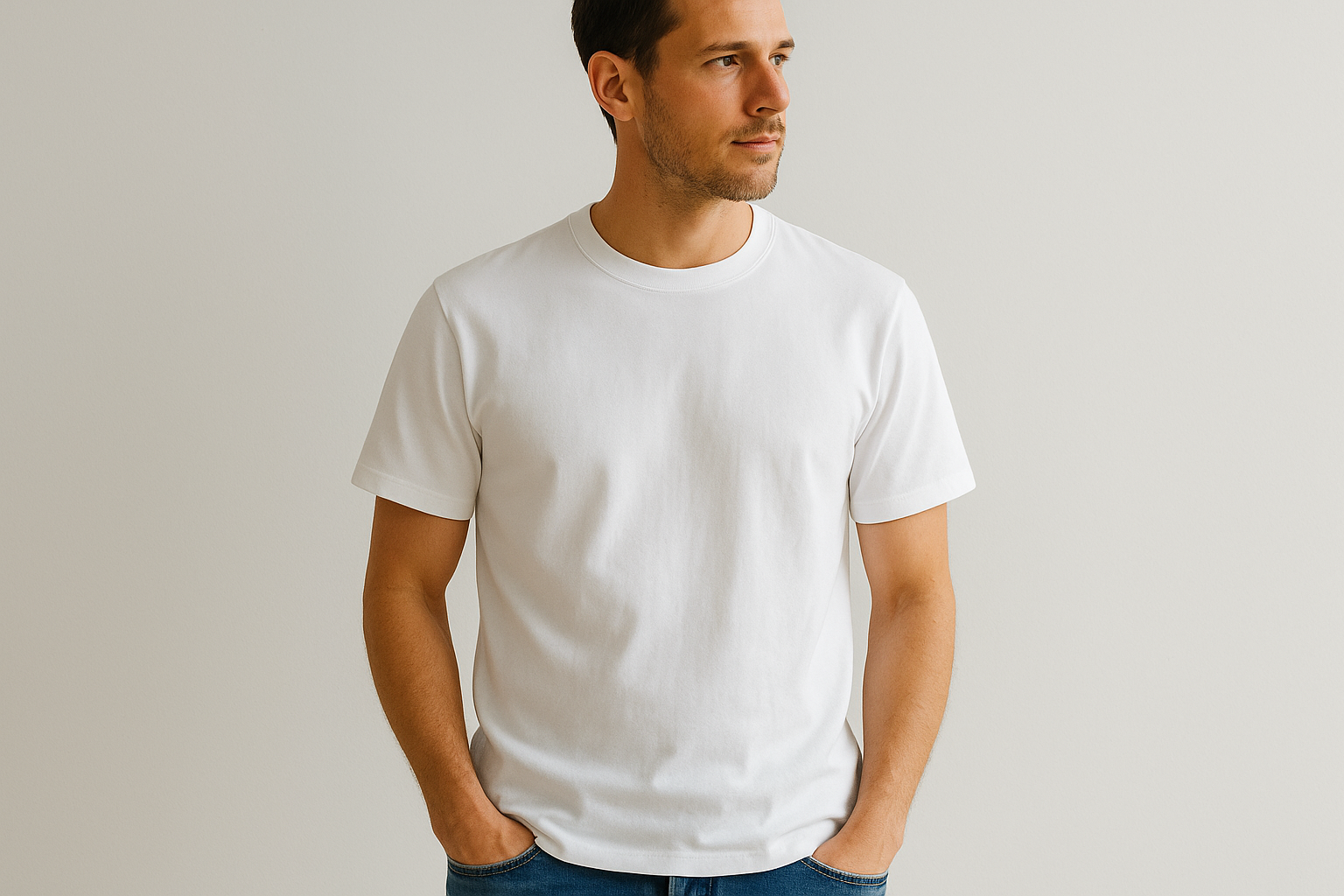
SÖMNAD builds its entire business around one idea: buy less, buy better. The brand skips seasonal drops and constant restocks in favor of a small lineup of premium basics, led by a relaxed tee cut from 300g Supima cotton. There's no logo stamped on the chest and no markup for a brand name you're supposed to recognize. What you're paying for is the fabric, the fit, and the fact that the shirt still looks right after fifty washes.
Sustainability practices
SÖMNAD treats longevity as the sustainability strategy, not a side benefit. Supima cotton is grown with less water waste than standard upland cotton and produces a longer fiber that resists pilling and thinning, which means the shirt you buy this year is still in rotation two years from now instead of in a landfill. The brand also keeps its catalog tight on purpose, avoiding the overproduction that plagues fast fashion, and focuses on clean construction with reinforced seams so garments hold their shape wash after wash.
The most sustainable tee is the one you never need to replace.
Best for
SÖMNAD suits guys who want a wardrobe of dependable basics without wading through dozens of colorways and limited editions. If you layer under jackets, wear tees on repeat during the week, and care more about drape and weight than logos, this fits your closet. It also works well for anyone tired of buying a "basic" tee every six months because the last one stretched out or thinned at the shoulders.
Minimalists and guys who dress the same way most days will get the most mileage here.
Price range and sizing
Expect to pay in the premium-basics range for the tee, higher than a fast-fashion multipack but in line with other Supima and pima cotton brands. Sizing runs true with a relaxed, non-boxy fit.
| Detail | Info |
|---|---|
| Price | Premium tee pricing tier |
| Fabric | 300g Supima cotton |
| Fit | Relaxed, clean, no excess |
| Sizes | XS through XXL |
Check the size guide on somnadlab.com before ordering if you're between sizes, since the relaxed cut runs slightly fuller through the body.
2. Patagonia
Patagonia needs almost no introduction if you've shopped for outdoor gear in the last decade. The brand built its reputation on repairable jackets and a corporate structure that now funnels profits into environmental causes, after founder Yvon Chouinard transferred ownership to a trust and nonprofit in 2022. It's not a basics brand like SÖMNAD, but if your wardrobe needs a shell, fleece, or pair of work pants that can take a beating, Patagonia earns its place on this list.
Sustainability practices
Patagonia runs one of the most aggressive repair programs in retail through its Worn Wear initiative, which fixes or resells used gear instead of letting it go to waste. The company also publishes a detailed supply chain map and reports on its use of recycled polyester, organic cotton, and Fair Trade Certified factories on its own site (patagonia.com). It's a founding member of the Fair Labor Association, and its 1% for the Planet pledge sends a slice of every sale to grassroots environmental groups.
A jacket you can send back for a free repair is worth more than one you replace every winter.
Best for
Patagonia fits guys who spend real time outdoors, whether that's hiking, skiing, or just commuting through rough weather. It also suits shoppers who want a brand with a documented, verifiable sustainability record rather than vague marketing language.
Price range and sizing
Pricing sits in the mid-to-high range, with fleeces and shells often running $100 to $300. Sizing runs standard American fit with a fairly generous cut, so check the size chart before buying outerwear meant to layer.
3. Toad & Co
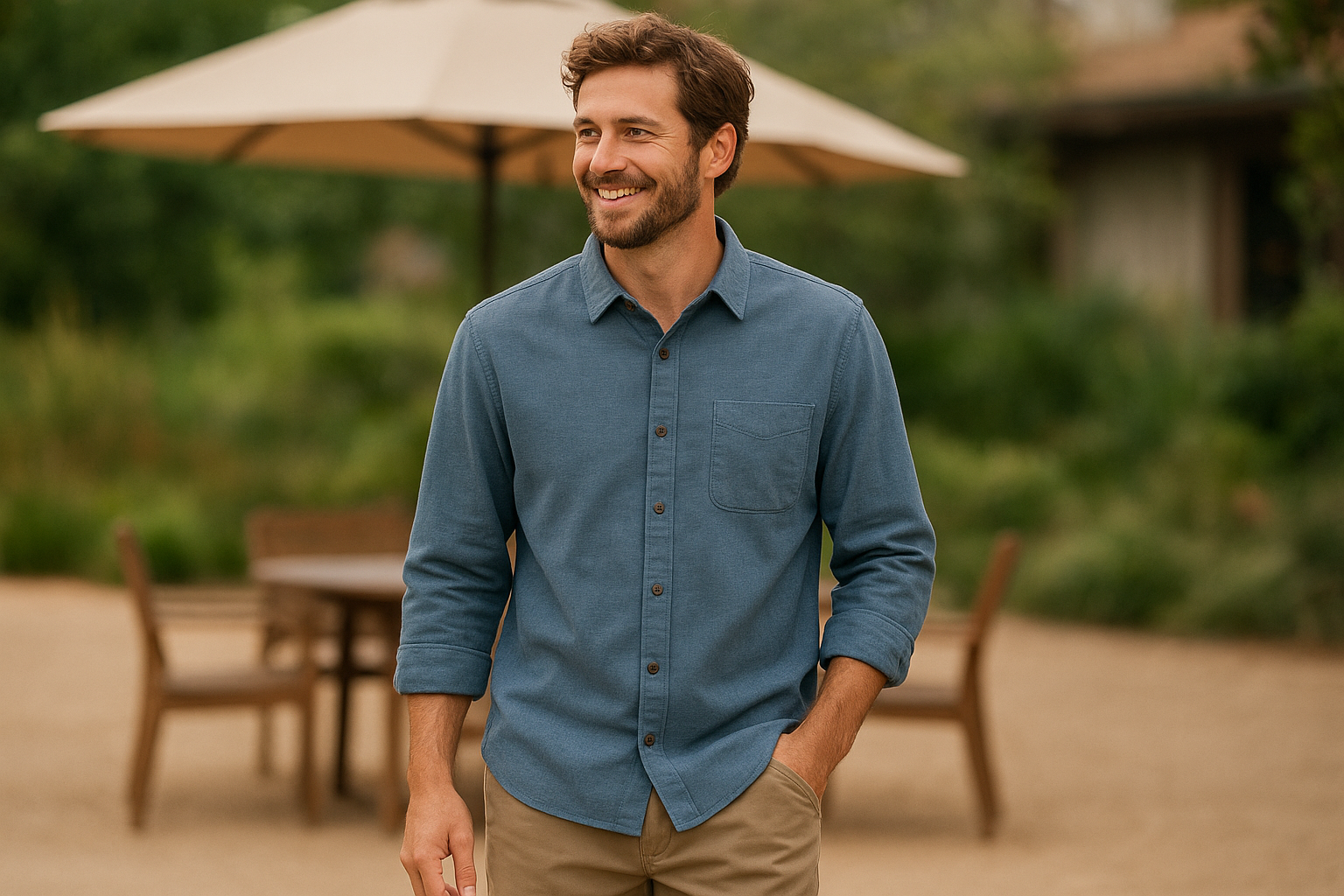
Toad & Co built its name on laid-back, California-influenced basics that don't scream outdoor brand even though the fabrics perform like one. The company has been folding recycled and organic fibers into its lineup since long before sustainability became a marketing buzzword, and it still keeps prices reasonable compared to boutique eco-labels. You'll find flannels, tees, and hemp-blend button-ups that look as good at a bar as they do on a trail.
Sustainability practices
Hemp shows up constantly in Toad & Co's catalog, and that's deliberate: the plant needs far less water and pesticide than conventional cotton while producing a durable, breathable fiber. The brand is a certified B Corp, meaning it meets independently verified standards for environmental and social performance, not just self-reported claims. Toad & Co also uses recycled polyester in many of its outerwear pieces and discloses fiber content clearly on every product page.
A B Corp certification means someone outside the company checked the receipts.
Best for
Guys who want casual, travel-friendly clothing that doesn't look overly technical will like this brand. It suits anyone building a warm-weather or resort-style wardrobe who still wants fabric that holds up to hiking or airport layovers.
Price range and sizing
Toad & Co sits in the affordable-to-mid range, cheaper than most sustainable outdoor brands.
| Detail | Info |
|---|---|
| Price | $40 to $120 typical |
| Fabric | Hemp, organic cotton, recycled poly |
| Fit | Relaxed, casual |
| Certification | B Corp |
Sizing runs true to standard US menswear, with most shirts cut for a relaxed rather than slim fit.
4. Pact
Pact built its whole identity around organic cotton basics at a price that doesn't require a second mortgage. Think tees, boxers, socks, and henleys, the kind of everyday layers you buy in multiples rather than one at a time. The brand skips flashy marketing and instead leans on certified organic materials and a supply chain it's willing to show you, which matters if you're comparing sustainable clothing brands for men on more than just vibes.
Sustainability practices
Every cotton piece Pact sells carries GOTS certification (Global Organic Textile Standard), which verifies organic fiber content and restricts the chemicals used in dyeing and processing. The brand also partners with Fair Trade Certified factories, meaning workers get audited wages and safer conditions, not just a badge on the website. Pact publishes factory locations and certification details directly on its product pages, so you're not left guessing what "organic" actually covers.
Organic cotton only means something if someone certifies it.
Best for
Pact suits guys stocking up on underwear, socks, and undershirts who want organic materials without paying boutique prices for basics nobody sees. It's also a solid pick if you're trying to swap fast-fashion multipacks for something with a verified supply chain, one drawer at a time.
Price range and sizing
Pricing stays low for a certified-organic brand, with tees and undershirts often under $30 and multipacks bringing the per-item cost down further. Sizing runs true to standard US menswear, with a slim-to-regular fit depending on the style. Check the fabric weight before ordering if you want something heavier than a typical undershirt.
5. Everlane
Everlane made "radical transparency" its whole pitch years before most brands started publishing supply chain maps. The company breaks down the true cost of every item, showing you materials, labor, and transport, so you can see exactly why a shirt costs what it costs. Basics like tees, chinos, and denim make up most of the lineup, aimed at guys who want a clean wardrobe without digging through fast-fashion racks.
Sustainability practices
Everlane works with factories it calls ethical partners, vetted for fair wages and safe working conditions, and lists many of them by name on its site. The brand also pushes hard on recycled materials, including ReNew fleece and outerwear made from recycled plastic bottles, and has committed to eliminating virgin plastic from its supply chain. Its denim line uses less water in finishing than standard industry processes, cutting down on one of clothing's biggest environmental costs.
Transparency only counts when the brand shows you the factory, not just the finished shirt.
Best for
Everlane fits guys who want traceable basics and don't mind paying a bit more for documented sourcing. It also suits shoppers building a work-to-weekend wardrobe, since chinos and button-ups sit right alongside tees and outerwear.
Price range and sizing
Expect $20 to $40 for tees and $70 to $150 for outerwear and denim. Sizing runs true to standard US menswear, with most tops cut slim to regular.
6. tentree
tentree built its brand around a simple pledge: plant ten trees for every item sold. The Vancouver-based company has funded over 100 million trees since launching, working with reforestation partners in Madagascar, Senegal, Indonesia, and Nicaragua. Its lineup covers tees, hoodies, and outerwear made from hemp, organic cotton, and recycled polyester, aimed at guys who want casual layers with a documented environmental payoff attached to every purchase.
Sustainability practices
tentree tracks its tree-planting impact publicly and lets customers see project locations by scanning a code on the garment tag, which turns a marketing claim into something you can verify. The brand holds Climate Neutral Certification, meaning it measures and offsets its carbon footprint rather than just claiming to. Fabric choices lean heavily on hemp and TENCEL, both of which require far less water than conventional cotton farming.
Planting trees only matters if you can trace where they went.
Best for
tentree suits guys who want their clothing dollars tied to a visible environmental outcome, not just a lower-impact fabric. It works well for casual wardrobes built around hoodies, joggers, and layering tees rather than tailored pieces.
Price range and sizing
Most tees and tanks fall between $30 and $50, while hoodies and outerwear run $70 to $140. Sizing runs true to standard US menswear with a relaxed, easygoing fit throughout the lineup, so check the chart if you prefer something slimmer through the chest and shoulders.
7. Jungmaven
Jungmaven built its entire catalog around one fiber: hemp. The California brand has been running since 1999, well before hemp clothing shed its crunchy reputation, and it now makes tees, hoodies, and shorts from hemp-cotton blends that soften with every wash instead of falling apart. If you want a heavyweight tee with texture and drape you won't find in standard cotton, this is where you look.
Sustainability practices
Hemp is the whole pitch here, and for good reason. The plant grows with a fraction of the water and pesticide that cotton needs, and it actually improves soil health instead of depleting it. Jungmaven blends hemp with cotton in most pieces, usually a 55/45 split, which keeps the fabric breathable while adding hemp's durability and natural resistance to pilling. The brand also dyes most of its garments domestically in small batches, cutting down on the shipping and dye waste that come with overseas mass production.
Hemp built the durability into the fabric before any marketing team got involved.
Best for
Jungmaven suits guys who want a heavier, textured tee for casual wear and don't mind a fabric that looks a little rugged compared to smooth cotton. It works well for anyone building a warm-weather wardrobe around breathable, low-impact fibers, and for shoppers who specifically want to move away from cotton-only basics.
Price range and sizing
Tees run $30 to $45, with hoodies landing between $60 and $90. Sizing runs true to standard US menswear, with a relaxed, slightly boxy fit that softens and shrinks a bit after the first few washes, so factor that in before sizing down.
8. Filson
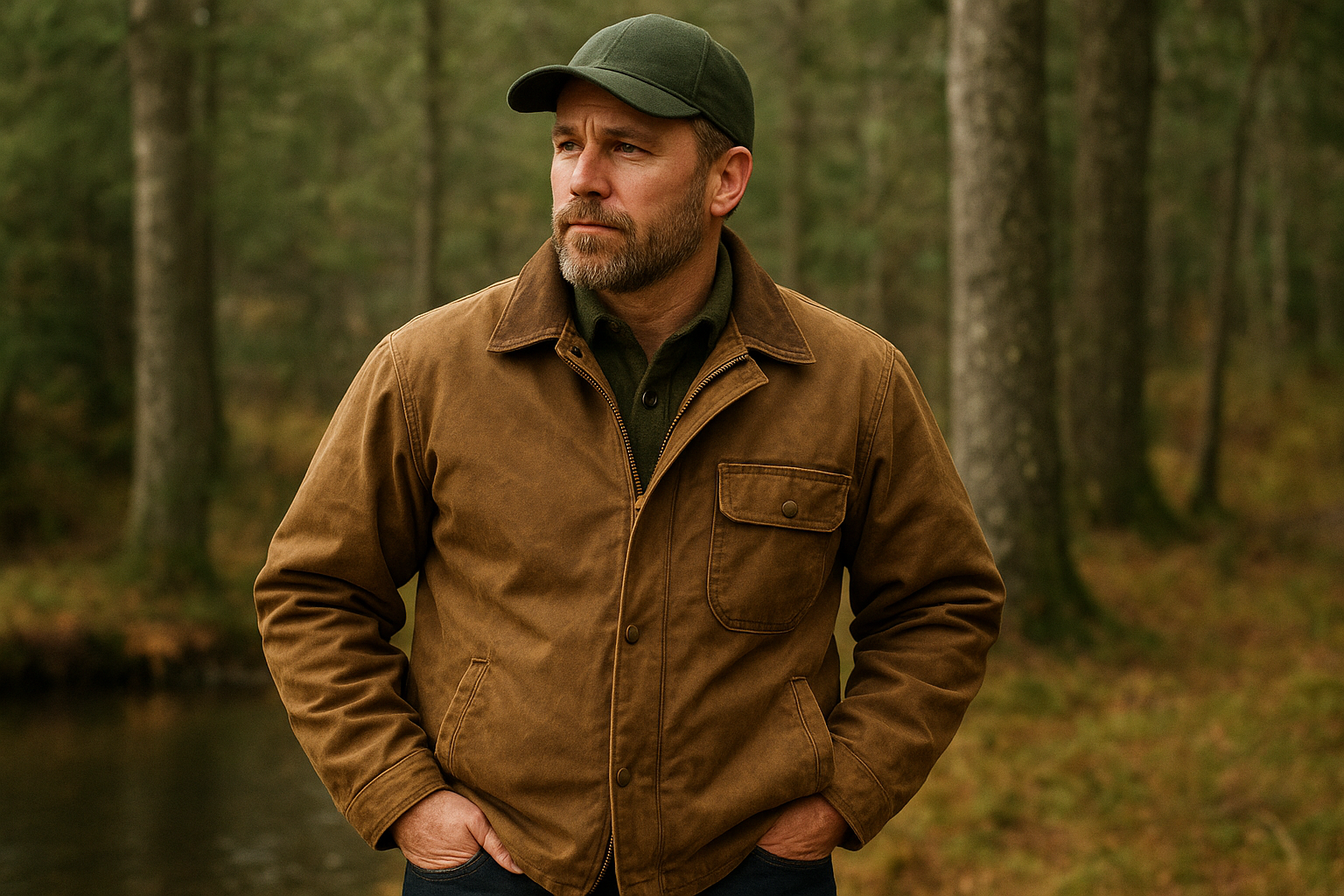
Filson has built workwear since 1897, and that history shows in how the clothes are made: heavy waxed canvas, thick wool, and brass hardware meant to survive decades of actual use. This isn't a trendy pick among sustainable clothing brands for men, it's a heritage brand that happened to get sustainability right by building things that don't wear out. Jackets, vests, and wool shirts dominate the lineup, with a construction style that hasn't changed much because it never needed to.
Sustainability practices
Durability is the entire sustainability case at Filson, and the brand backs it with a lifetime guarantee on most bags and a repair shop that fixes torn canvas and worn stitching instead of pushing you toward a replacement. Wool sourcing leans on suppliers with traceable, humane practices, and the brand's waxed cotton finishes skip some of the synthetic coatings used by cheaper competitors. Filson doesn't chase certifications the way newer eco-brands do, but its repair-first model cuts down on the waste that comes from gear people toss instead of fix.
A jacket built to be repaired for 30 years beats one built to be replaced in three.
Best for
Guys who want rugged, functional outerwear built for hunting, fishing, or job sites will get real use out of Filson. It also suits anyone who values heritage construction over trend cycles and doesn't mind paying upfront for gear that lasts decades.
Price range and sizing
Expect $150 to $400 for jackets and vests, with wool shirts running $100 to $180. Sizing runs true to standard US menswear, though the workwear cut leaves room for layering underneath.
9. Organic Basics
Organic Basics comes out of Denmark with a narrow focus on underwear, t-shirts, and socks made from organic and recycled fibers. This isn't a brand you go to for jackets or denim, it's a brand you go to for the layers nobody sees but everybody feels against their skin all day. The lineup stays small on purpose, and every product page reads more like a lab report than a marketing pitch, with fiber breakdowns and impact numbers front and center.
Sustainability practices
Organic Basics publishes an actual environmental impact calculator on its site, showing water and CO2 savings compared to conventional fabric production for each material it uses. Underwear and tees rely heavily on organic cotton and recycled nylon, including SILVERTECH fabric that reduces the need for frequent washing, which cuts water use over the life of the garment. The brand also holds bluesign approval for several fabric lines, an independent certification that limits harmful chemicals across the entire production process, not just the final product.
A shirt that needs fewer washes saves more water than one made from slightly greener cotton.
Best for
Guys who want to swap out basics that touch their skin daily, underwear, socks, undershirts, will get the most value here. It also suits anyone comparing sustainable clothing brands for men who wants hard numbers instead of vague claims about impact.
Price range and sizing
Underwear runs $25 to $40, tees sit around $30 to $50. Sizing runs true to European standard fits, so size up if you're between sizes on cuts meant to sit close to the body.
10. Quince
Quince made its name by cutting out the traditional retail markup, selling cashmere sweaters, Mongolian wool coats, and organic cotton basics at prices that undercut nearly every brand on this list. The company works directly with factories that also supply luxury labels, skipping the middlemen who usually inflate the price between raw material and finished garment. You get similar fabric quality to premium brands without paying for a logo or a showroom lease baked into the sticker price.
Sustainability practices
Quince leans on natural, biodegradable fibers like organic cotton, Mongolian cashmere, and European flax linen instead of synthetic blends that shed microplastics in the wash. The brand works with factories certified by bodies like OEKO-TEX, which limits the chemicals used in dyeing and finishing, and several of its cotton lines carry GOTS certification for organic content. Quince doesn't publish the kind of detailed impact reports Patagonia or Organic Basics do, but its direct-to-factory model cuts out a layer of shipping and warehousing that adds to most brands' carbon footprint.
Cutting out the markup also cuts out a layer of waste most shoppers never think about.
Best for
Quince suits guys who want natural-fiber basics and outerwear at prices closer to fast fashion than luxury, without giving up on fabric quality. It also works well if you're building out a cold-weather wardrobe and want cashmere or wool without the boutique price tag attached.
Price range and sizing
Tees and basics run $20 to $40, while cashmere sweaters land between $50 and $80, well below typical cashmere pricing. Sizing runs true to standard US menswear, though a few wool pieces run slightly narrow through the shoulders.
Choosing the right brand for your wardrobe
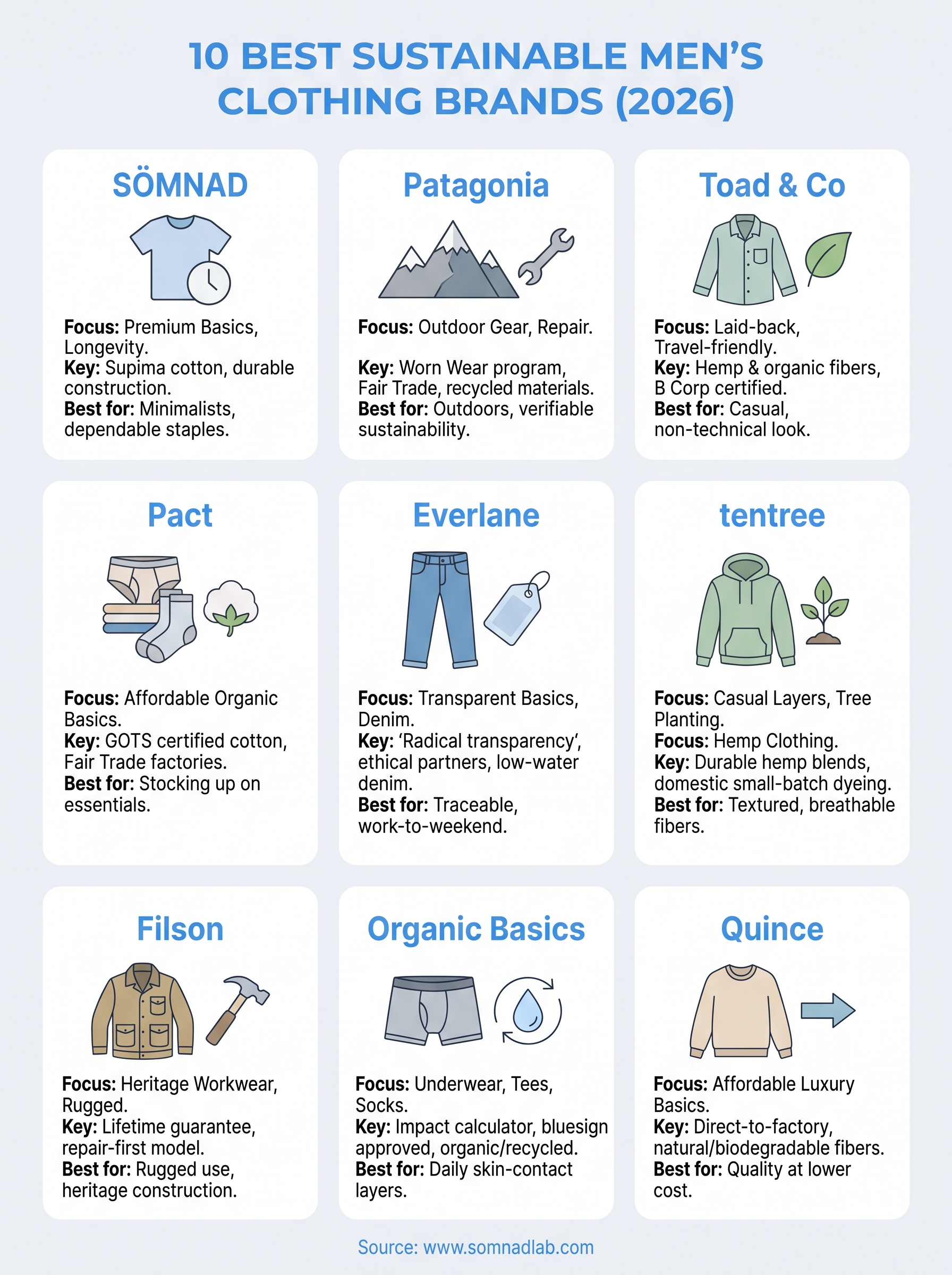
No single brand on this list covers every need, and that's fine. Patagonia and Filson make sense for outerwear that takes a beating outdoors, while Pact and Organic Basics handle the layers nobody sees but you feel all day. The real skill in shopping sustainable clothing brands for men is matching the fabric and construction to how often you'll actually wear the piece, not chasing a badge or a buzzword on the tag.
If you're stocking your everyday rotation, tees, layering basics, the stuff you reach for four days a week, start with fabric weight and fit before certifications. That's exactly where SÖMNAD fits in: fewer items, better cotton, and a cut built to outlast a season of washes instead of one. If you want to see what that looks like in practice, shop the current lineup at SÖMNAD and judge the fabric for yourself.