


Finding sustainable clothing brands for women that actually deliver on quality shouldn't mean digging through greenwashed marketing for hours. Half the brands claiming to be
1. SÖMNAD
What it's known for
SÖMNAD builds its entire catalog around one idea: a wardrobe doesn't need dozens of pieces if the few you own actually last. The brand's flagship item, a relaxed tee made from 300g Supima cotton, set the tone for a lineup that skips logos, seasonal drops, and trend chasing in favor of clean, minimalist basics. If you're the kind of shopper who wants a tee, a crewneck, or a pair of leggings that still holds its shape after two years of washing, this is the brand built for you rather than someone hunting for statement pieces.
Sustainability practices
SÖMNAD's approach to sustainability leans heavily on durability as the sustainability metric, not just the fabric label. The logic is simple: a shirt you wear for three years instead of replacing every six months keeps far more textile waste out of landfills than a "green" shirt made to be discarded after a season. That's reflected in the brand's three pillars: superior fabric quality, a clean fit with no excess fabric to wear thin, and construction meant to survive repeated washing without pilling or stretching out.
A shirt worn for three years does more for the planet than a dozen "eco" shirts tossed after one season.
The brand also keeps its supply chain lean and its product line narrow, which cuts down on overproduction, a problem that plagues even brands with strong eco-conscious messaging. You won't find fast turnover collections here, and that's intentional.
Price range
SÖMNAD sits in the premium basics tier, with the signature 300g Supima cotton tee typically running $48 to $65 depending on style and colorway. That's higher than a fast-fashion basic, but in line with what you'd pay for a well-made staple from any quality-focused direct-to-consumer apparel brand. Given the fabric weight and construction, the cost-per-wear tends to work out lower than cheaper tees you'll replace twice as often.
Sizes available
SÖMNAD currently runs a size range built around a true-to-size, relaxed fit, so most shoppers find their usual size works well without needing to size up or down. Product pages include specific sizing details and fit notes for each item, which helps you skip the guesswork before checkout. If you want to see the current lineup and size charts for yourself, SÖMNAD's site lays it all out product by product.
2. Pact
What it's known for
Pact built its name on organic cotton basics sold at prices that don't require a trust fund, think tees, underwear, and loungewear that skip the markup you'd expect from a boutique sustainable label. Among sustainable clothing brands women search for, Pact stands out because it treats affordability as part of the sustainability equation, not an afterthought. Shoppers come here for everyday pieces rather than statement fashion, which fits anyone building a wardrobe from the ground up.
Sustainability practices
Every Pact garment starts with GOTS-certified organic cotton, grown without the synthetic pesticides that make conventional cotton one of agriculture's thirstiest, most chemical-heavy crops. The brand also holds Fair Trade Certified factory partnerships, meaning the people sewing your clothes work under audited, safer conditions with fair wages. Pact publishes its factory list and certifications rather than burying them in a sustainability report nobody reads.
Certifications only matter if you can actually verify them, and Pact makes that easy.
Price range
Pact keeps things accessible, with basic tees running $28 to $38 and underwear multi-packs often landing under $40. Loungewear and sleepwear sit a bit higher, generally $40 to $60, still well below premium organic competitors.
Sizes available
Pact offers a solid inclusive range across most categories:
- Women's tops and bottoms: XS to 3XL
- Bras and underwear: XS to 3XL, with some styles extending further
- Loungewear: XS to 2XL
Size charts sit on every product page, and the brand's return policy makes exchanging for a better fit relatively painless if you guess wrong.
3. Everlane
What it's known for
Everlane popularized the idea of radical transparency in fashion, publishing the actual cost of materials, labor, and shipping next to the retail price on every product page. Shoppers who want basics like the Organic Cotton Crew or Cheeky Jean gravitate here because the brand built its entire identity around answering the question fast fashion avoids: why does this cost what it costs. That openness turned Everlane into a household name among people newly curious about ethical manufacturing.
Sustainability practices
Everlane relies on a mix of certified factories, tracking things like water usage, worker safety audits, and fair wage benchmarks across its supply chain. The brand also pushes recycled materials hard, its ReNew line uses recycled plastic bottles for outerwear and fleece, diverting waste that would otherwise sit in a landfill for centuries.
Transparency without third-party verification is still just marketing, so check the certifications behind the claims.
Critics have pointed out gaps between Everlane's messaging and its actual third-party certifications, so it's worth reading the specifics on each product page rather than trusting the brand story alone.
Price range
Expect tees around $30 to $40, denim in the $78 to $128 range, and outerwear climbing toward $150 to $250. That positions Everlane above Pact but below most designer-adjacent sustainable labels.
Sizes available
Women's clothing spans XXS to XXL across most core categories, with denim offering a broader waist and inseam range. Fit guides and customer photos on product pages help gauge sizing before you order.
4. Reformation
What it's known for
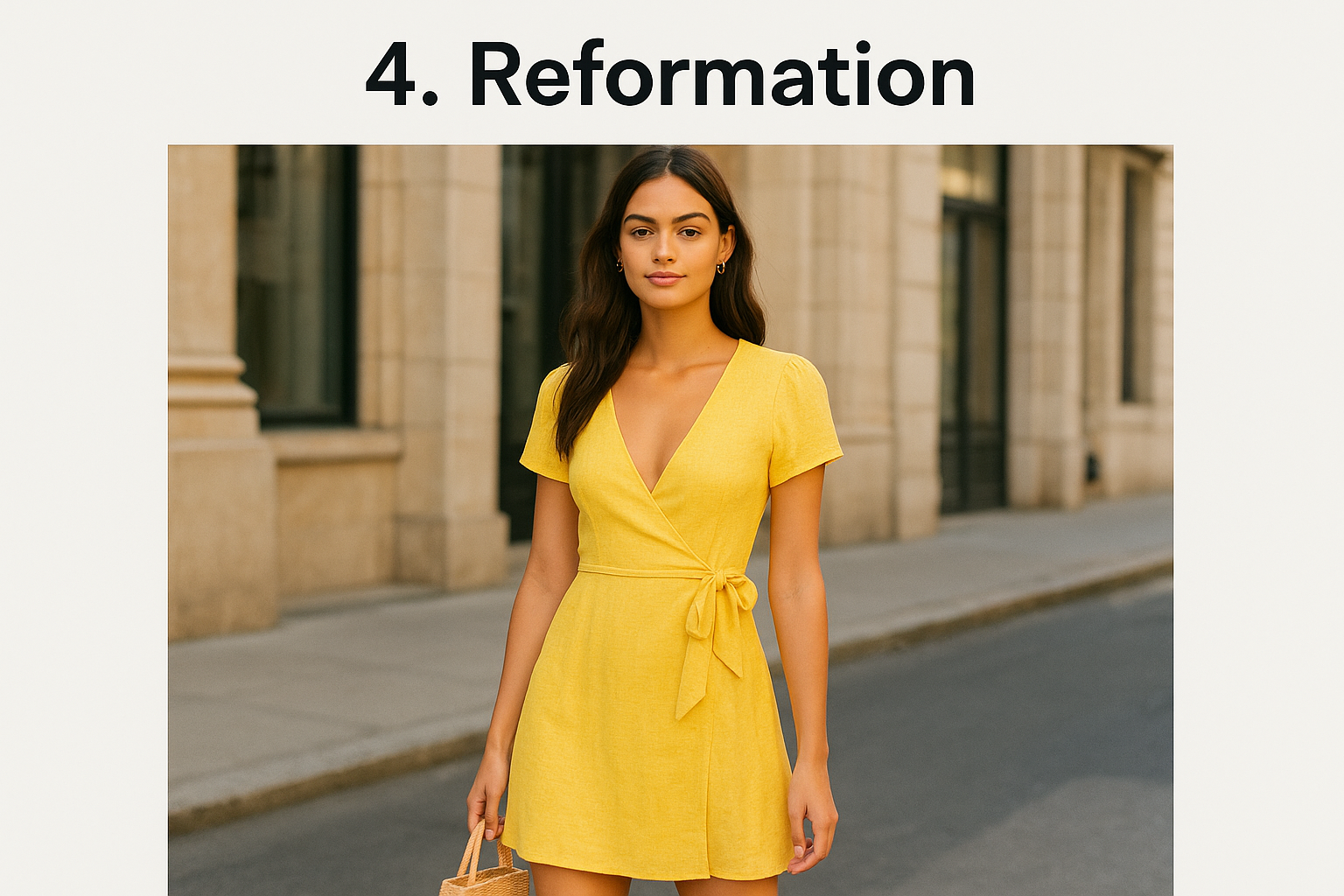
Reformation built its reputation on proving that sustainable fashion doesn't have to mean shapeless basics. The brand sells trend-forward dresses, denim, and going-out pieces that show up in street style photos as often as any fast-fashion label, just made from lower-impact fabrics. Shoppers drawn to Reformation usually want something photo-ready for a wedding or weekend out, not another crewneck, which sets it apart from the basics-focused brands earlier on this list.
Sustainability practices
Each product page displays a RefScale rating showing exactly how much water, carbon, and waste that specific item generated compared to the industry average. That kind of item-by-item accounting is rare among brands claiming to serve sustainable clothing brands women search for. Reformation also sources deadstock fabric, recycled materials, and Tencel, and the company has purchased carbon offsets to work toward climate neutrality for years.
Rating every single product, not just the brand as a whole, is what separates real accountability from a vague mission statement.
Price range
Dresses typically run $128 to $248, with denim landing between $98 and $178. Tops and basics sit lower, usually $48 to $88, though limited collaborations and special fabrics push prices higher.
Sizes available
Reformation expanded its range significantly in recent years:
- Numeric sizing: 00 to 24
- Letter sizing: XXS to 3X on select styles
- Petite and curve-specific cuts for some dresses
Fit varies by silhouette, so check the specific product's size chart rather than assuming consistency across the whole catalog.
5. Patagonia
What it's known for
Patagonia earned its reputation long before "sustainable fashion" became a marketing category, building a following around rugged outdoor gear that holds up to actual abuse: fleece jackets, rain shells, and base layers meant for trail use, not just errands. Women shopping here usually want performance pieces that double as everyday outerwear, think a down jacket or a pair of hiking pants that survive years of wear. The brand's activist streak, including donating 1% of sales to environmental causes, draws shoppers who want their purchase to say something beyond fit and fabric.
Sustainability practices
Patagonia runs one of the most credible repair programs in retail, its Worn Wear initiative fixes damaged gear for free or cheap and resells used items, directly extending garment life instead of pushing new purchases. The company also holds Fair Trade Certified sewing factories and uses recycled polyester and organic cotton across most of its line. Patagonia became a Certified B Corporation, a third-party standard that audits environmental and labor practices rather than letting the brand grade its own homework.
A company that repairs your old jacket instead of just selling you a new one is proving its sustainability claims, not just stating them.
Price range
Expect fleece and base layers around $79 to $129, with technical jackets and shells running $150 to $400 depending on weatherproofing and insulation.
Sizes available
Women's sizing spans XXS to XXL, with some styles extending to 3X, and Patagonia publishes detailed body measurement charts for nearly every product to help you buy right the first time.
6. Kotn
What it's known for
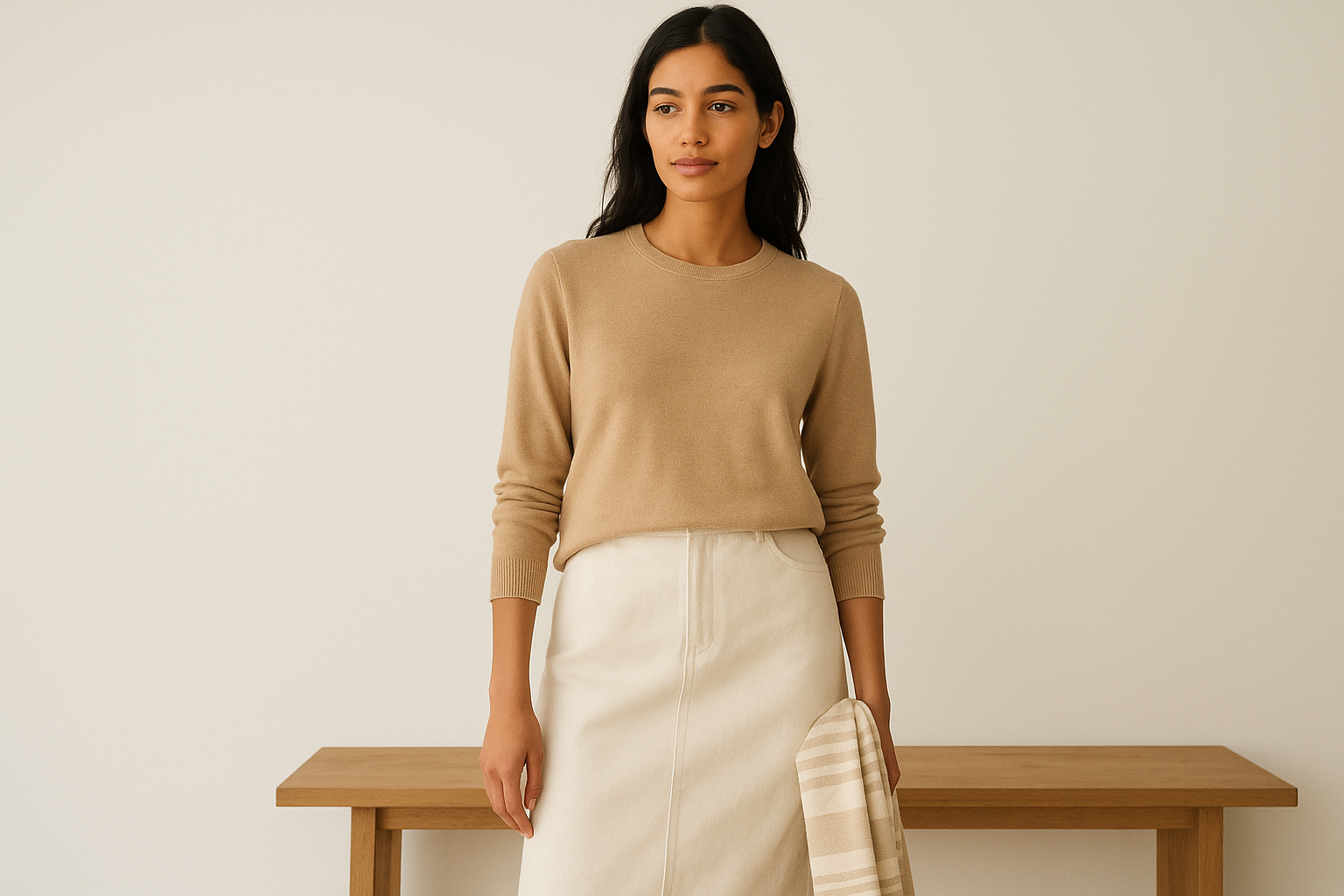
Kotn built its brand around one raw material: Egyptian cotton sourced directly from the farms that grow it. The lineup covers essentials like button-downs, tees, sweaters, and a growing home goods line, all styled with the same understated, warm-neutral palette. Shoppers drawn to Kotn usually want basics with a story behind the fabric, something that reads as considered rather than mass-produced off a factory floor.
Sustainability practices
Kotn cuts out the usual layers of cotton brokers and works directly with Egyptian farmers, paying above-market rates and reinvesting profits into the communities that grow the fiber. The brand has funded school construction in farming regions through its Kotn Foundation, tying its supply chain to tangible local outcomes rather than a vague offset purchase. Manufacturing happens in factories the company audits directly in Portugal and Egypt, keeping the chain short enough to actually track.
When a brand can name the farm its cotton came from, that's a different level of accountability than a generic "sustainably sourced" label.
Price range
Kotn sits in the accessible-premium tier. Tees typically run $28 to $38, while button-downs and sweaters climb to $68 to $98. Home goods like sheets and towels fall in a similar mid-range bracket, priced above fast fashion but below most boutique organic-cotton labels.
Sizes available
Women's sizing spans XS to XXL across most core categories, with the brand's relaxed, boxy cuts generally running true to size. Kotn includes fabric weight and fit notes on each product page, which helps when deciding whether to size down for a more fitted look.
7. Quince
What it's known for
Quince made its name by cutting out the middlemen that inflate clothing prices, selling cashmere sweaters, silk blouses, and Mongolian wool coats at prices that look like a pricing mistake next to department store tags. Women shop here for pieces that usually sit in the luxury bracket, think a $50 cashmere crewneck instead of $200, without the retail markup that typically pays for a brand name rather than better materials. That direct-to-factory model draws shoppers who want quality fabric without paying for a logo.
Sustainability practices
Quince works directly with the same factories that supply luxury retailers, cutting out licensing fees and wholesale markups rather than the materials themselves. The brand emphasizes responsibly sourced cashmere, organic cotton, and recycled fabrics across parts of its catalog, and it publishes factory information for shoppers who want to check labor conditions before buying.
Cutting out markup isn't the same as cutting corners, but it's worth checking which materials in the lineup actually carry certifications.
That said, Quince's sustainability messaging is lighter on third-party certifications than brands like Reformation or Pact, so shoppers prioritizing verified credentials should read individual product pages closely rather than assuming the whole catalog meets the same standard.
Price range
Quince's pricing is the headline feature: cashmere sweaters run $50 to $80, silk tops land around $40 to $60, and wool coats top out near $150 to $200, all well below comparable pieces from traditional luxury retailers.
Sizes available
Women's sizing spans XXS to XXL across most categories, with cashmere and knitwear sometimes running smaller than the size chart suggests. Customer reviews on product pages frequently note fit quirks, which is worth reading before ordering your usual size.
8. Girlfriend Collective
What it's known for
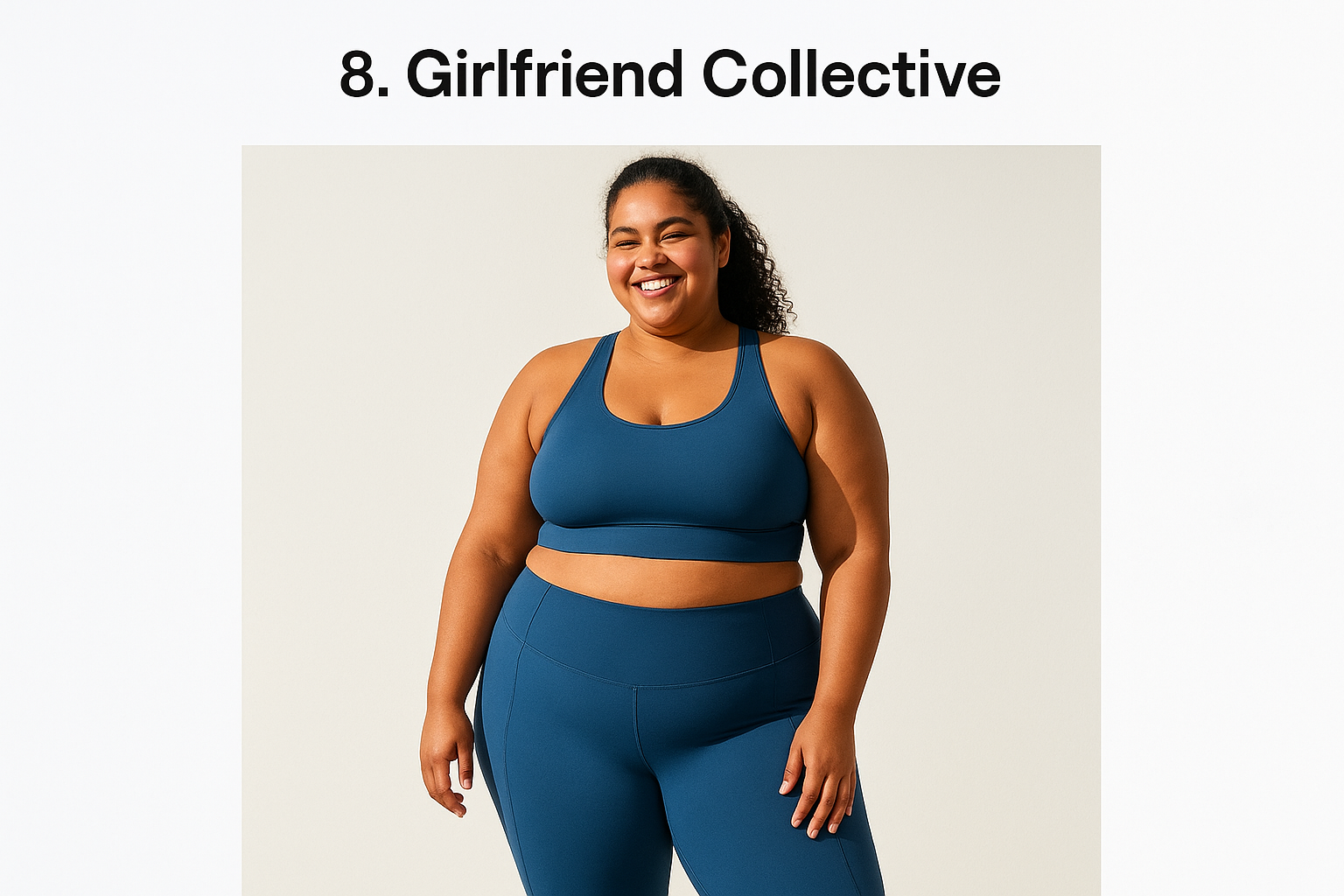
Girlfriend Collective turned recycled water bottles into some of the most talked-about leggings and sports bras in the activewear space. The brand built a loyal following by treating inclusive sizing and body diversity as core to the product, not a marketing afterthought, casting real customers of all shapes in its campaigns instead of exclusively professional models. Shoppers come here for compressive, squat-proof leggings and matching sets that hold up through actual workouts, not just studio photos.
Sustainability practices
Every pair of leggings starts with recycled plastic bottles, roughly 25 of them per pair, processed into a fabric called ECONYL or similar recycled polyester blends. The brand also runs a take-back program where customers mail in old Girlfriend Collective pieces for recycling into new fabric, closing the loop rather than just claiming recycled origins at the front end. Manufacturing happens in a factory the company owns and operates in Vietnam, giving it direct oversight of labor conditions instead of relying on a third-party auditor's word.
Owning your factory means you can't blame a supplier when labor conditions fall short.
Price range
Leggings typically run $68 to $88, sports bras land around $38 to $48, and matching sets or outerwear pieces climb toward $98 to $148. That places Girlfriend Collective above fast-fashion activewear but below premium studio brands.
Sizes available
Sizing here is genuinely extensive, spanning XXS to 6XL across most core styles, with compression leggings offered in multiple lengths. Product pages include model photos across several sizes wearing the same item, which makes it far easier to gauge fit before buying than relying on a single size chart.
9. Tentree
What it's known for
Tentree built its entire brand identity around a simple pledge: plant ten trees for every item sold. The lineup covers casual staples like hoodies, tees, and joggers, all styled with an outdoorsy, laid-back look that fits weekend errands as easily as travel days. Women shopping here usually want a brand whose purchase carries visible impact beyond the fabric itself, something you can track rather than just take on faith.
Sustainability practices
Tentree relies on low-impact materials like organic cotton, hemp, and recycled polyester across most of its catalog, avoiding virgin synthetics wherever possible. The tree-planting program isn't just a slogan either, the company partners with reforestation organizations in regions like Madagascar, Senegal, and Indonesia, and publishes tracking data so you can see where your trees actually went. Tentree also holds B Corp certification, adding third-party verification to a brand that could otherwise rely entirely on its own marketing.
A brand willing to show you exactly where your trees got planted is offering proof, not just a promise.
Price range
Tees and basics typically run $35 to $50, hoodies and sweatshirts land around $65 to $90, and outerwear climbs toward $120 to $180. That puts Tentree in the mid-tier bracket, pricier than fast fashion but comparable to other sustainable clothing brands women shop from for casualwear.
Sizes available
Women's sizing spans XS to XXL across most core styles, with a relaxed, unisex-leaning fit common throughout the catalog. Size charts on each product page note whether a style runs true to size or oversized, which matters given how loose some cuts run.
10. MATE the Label
What it's known for
MATE the Label built its name on soft, minimal basics made from organic cotton, think oversized tees, cropped hoodies, and sweatpants that look as good on a coffee run as they do lounging at home. The brand leans into a relaxed, LA-casual aesthetic with a muted color palette of sand, cream, and washed black rather than anything trend-driven. Women drawn to MATE usually want the loungewear category done right, pieces that feel elevated without crossing into loud branding or logos.
Sustainability practices
MATE uses GOTS-certified organic cotton across nearly its entire catalog, avoiding the pesticide-heavy farming that conventional cotton depends on. Dyeing happens using low-impact, non-toxic processes, and the brand manufactures in Los Angeles factories it visits and audits directly rather than outsourcing oversight to a third party overseas. That local manufacturing also cuts shipping emissions compared to brands producing overseas and freighting product across oceans.
Manufacturing down the street from your design studio makes it a lot harder to hide labor problems.
Price range
Expect tees and tanks around $38 to $58, hoodies and sweatshirts landing between $78 and $108, and sweatpants or joggers in the $68 to $98 range. That positions MATE above Pact but comparable to Girlfriend Collective's pricing tier.
Sizes available
Women's sizing spans:
- Core basics: XXS to 3XL
- Oversized styles: XS to 2XL, designed to run loose by intention
- Loungewear sets: XS to XL
Product pages note whether a specific cut runs oversized or fitted, which matters since MATE's silhouettes vary more than a typical basics brand.
11. Christy Dawn
What it's known for
Christy Dawn built its name on romantic, vintage-inspired dresses cut from deadstock and regeneratively grown fabrics, the kind of flowy silhouettes that show up at garden weddings and farmers markets alike. Women who shop here usually want a statement dress rather than a basic tee, something with puff sleeves, floral prints, or a fitted bodice that feels distinct from the minimalist brands earlier on this list. The brand's small-batch approach means styles sell out and don't always come back, which keeps the catalog feeling curated rather than mass-produced.
Sustainability practices
Christy Dawn sources fabric from its own regenerative cotton farm in India, growing cotton using practices that rebuild soil health instead of depleting it, a step beyond standard organic certification. The brand also relies heavily on deadstock fabric rescued from other manufacturers' excess inventory, preventing usable material from landfilling before it ever becomes clothing. Every dress gets sewn in small batches in Los Angeles factories the company visits directly.
Growing your own regenerative cotton farm is a level of supply chain control most sustainable brands never attempt.
Price range
Dresses typically run $168 to $248, with tops and skirts landing between $88 and $148. That puts Christy Dawn firmly in the boutique-sustainable tier, priced above Reformation for comparable silhouettes.
Sizes available
Sizing spans XS to XL across most styles, with some dresses offered in extended sizes up to 2XL. Fit runs romantic and often adjustable through ties or elastic, so check each product's specific notes before ordering.
12. Eileen Fisher
What it's known for
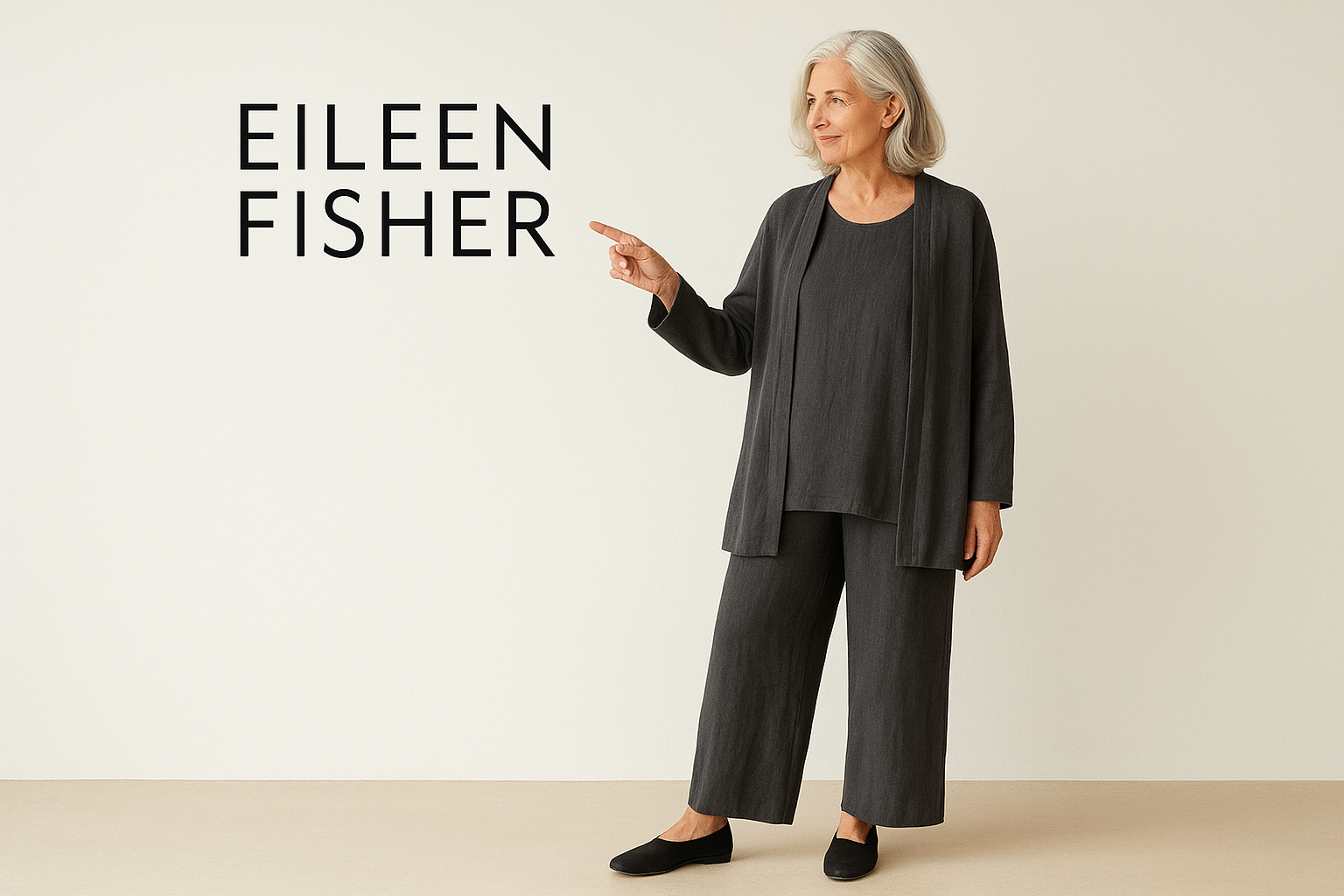
Eileen Fisher has spent decades perfecting fluid, minimalist silhouettes in natural fibers, think wide-leg pants, drapey tunics, and cardigans meant to layer across seasons rather than chase a single trend. Shoppers drawn to this brand tend to be older than the typical fast-fashion customer, often building a capsule wardrobe of pieces that mix and match for years without looking dated. The brand's muted, tonal color palette reinforces that longevity, favoring quality over anything flashy.
Sustainability practices
Eileen Fisher runs one of the longest-standing take-back programs in retail, its Renew initiative collects worn garments, resells wearable ones, and turns the rest into new textiles or felted art pieces rather than sending them to a landfill. The brand also uses organic cotton, linen, and responsibly sourced wool across most of its line, and it publishes yearly progress reports tracking water use and chemical reduction goals.
A brand that's been running a real take-back program since 2009 has already proven its commitment long before sustainability became a marketing trend.
Eileen Fisher also became a Certified B Corporation, giving its labor and environmental claims third-party backing rather than self-reported numbers.
Price range
Expect tees and knit tops around $78 to $128, with wide-leg pants and dresses running $148 to $248. Outerwear and heavier knits climb toward $278 to $398, placing this brand solidly in the premium tier.
Sizes available
Sizing spans XXS to 3X, including a dedicated Petite line for shorter frames. Fabric-forward, relaxed cuts mean most pieces run generously, so checking the size chart before ordering pays off.
13. Outerknown
What it's known for
Outerknown started when professional surfer Kelly Slater wanted beach-ready basics and outerwear that didn't trash the ocean he built his career riding. The lineup covers boardshorts, denim, flannels, and knitwear with a laid-back California surf aesthetic that works equally well on land. Women shopping here usually want versatile layers, a chore jacket or a chunky cardigan, that pair easily with the minimalist basics found elsewhere on this list rather than a full statement wardrobe.
Sustainability practices
Outerknown holds Fair Trade Certified factory partnerships covering the majority of its production, meaning workers earn a premium paid directly into community development funds. The brand's denim relies on recycled cotton and lower-water washing techniques, cutting the thousands of gallons a typical pair of jeans consumes. Outerknown also co-founded the Fair Labor Association's ocean plastic initiative, sourcing recycled nylon from discarded fishing nets for some swim and outerwear pieces.
Paying factory workers a fair trade premium on top of wages is proof you value people, not just fabric.
The company publishes its factory list publicly, a transparency step still uncommon among surf-adjacent apparel brands.
Price range
Expect tees and knit tops around $68 to $98, denim landing between $128 and $168, and outerwear like flannels or chore jackets climbing toward $188 to $248. That places Outerknown above most casualwear brands on this list, closer to Christy Dawn's boutique-sustainable pricing.
Sizes available
Women's sizing spans XS to XL across most core styles, with denim offering additional waist sizing for a better fit. Product pages include fabric weight and fit notes, useful given how much the brand's silhouettes vary between relaxed knits and more tailored denim cuts.
14. Boody
What it's known for
Boody built its catalog around bamboo viscose basics, think underwear, bras, tees, and loungewear that feel closer to silk than cotton against skin. The brand leans hard into everyday comfort, marketing itself as the soft-layer solution for hot sleepers and sensitive-skin shoppers who find cotton too rough or synthetic blends too sweaty. Women drawn to Boody usually want a base-layer wardrobe rather than statement pieces, something you wear under clothes or to bed rather than out the door.
Sustainability practices
Bamboo grows fast without pesticides or much irrigation, which gives Boody a genuine edge over conventional cotton before a single garment gets sewn. The brand holds OEKO-TEX certification across its fabrics, confirming the material tests free of harmful chemicals, and it manufactures in factories audited for fair labor conditions rather than leaving that claim unverified. Boody also uses a closed-loop process to turn bamboo pulp into viscose, recovering and reusing the solvents involved instead of discharging them as wastewater.
Fast-growing bamboo that skips pesticides and heavy irrigation is a genuinely lower-impact starting material than conventional cotton.
Price range
Expect underwear and bras around $18 to $28, basic tees landing between $25 and $35, and loungewear sets climbing toward $45 to $65. That keeps Boody firmly in the accessible tier, comparable to Pact's pricing for a similar everyday-basics category.
Sizes available
Women's sizing spans XS to 3XL across bras, underwear, and core basics, with bra styles also offered in specific band and cup combinations rather than generic S/M/L. Size charts on each product page include measurements in inches and centimeters, useful for shoppers ordering internationally or unfamiliar with US sizing.
15. ABLE
What it's known for
ABLE built its brand around one question the founders ask publicly: where would you buy this if it wasn't ethically made? The Nashville-based label sells denim, leather goods, and footwear designed to compete on style and quality first, with ethical sourcing as the baseline rather than the selling point. Women drawn to ABLE usually want pieces like a structured tote or a pair of well-cut jeans that hold up in any closet, not just one curated for values-driven shoppers.
Sustainability practices
ABLE focuses heavily on economic empowerment for women, employing garment workers in Nashville, Peru, and Ethiopia at wages the company actually publishes online, a rare move in an industry that treats wage data as a trade secret. The brand calls this its Lowest Wage transparency initiative, listing the minimum amount paid at every factory it works with. Denim production uses water-saving washing techniques that cut consumption dramatically compared to conventional finishing methods.
Publishing the lowest wage paid at every factory is a level of transparency most apparel brands avoid entirely.
Price range
Expect denim running $98 to $168, leather bags and totes landing between $148 and $268, and footwear typically priced $78 to $148. That places ABLE in the mid-to-premium tier, comparable to Reformation's denim pricing but distinct in category focus.
Sizes available
Women's clothing spans 24 to 34 in denim waist sizes, with tops and dresses offered from XS to XL depending on the style. Footwear runs true to standard US sizing, and product pages include fit notes for denim cuts since inseam and rise vary across collections.
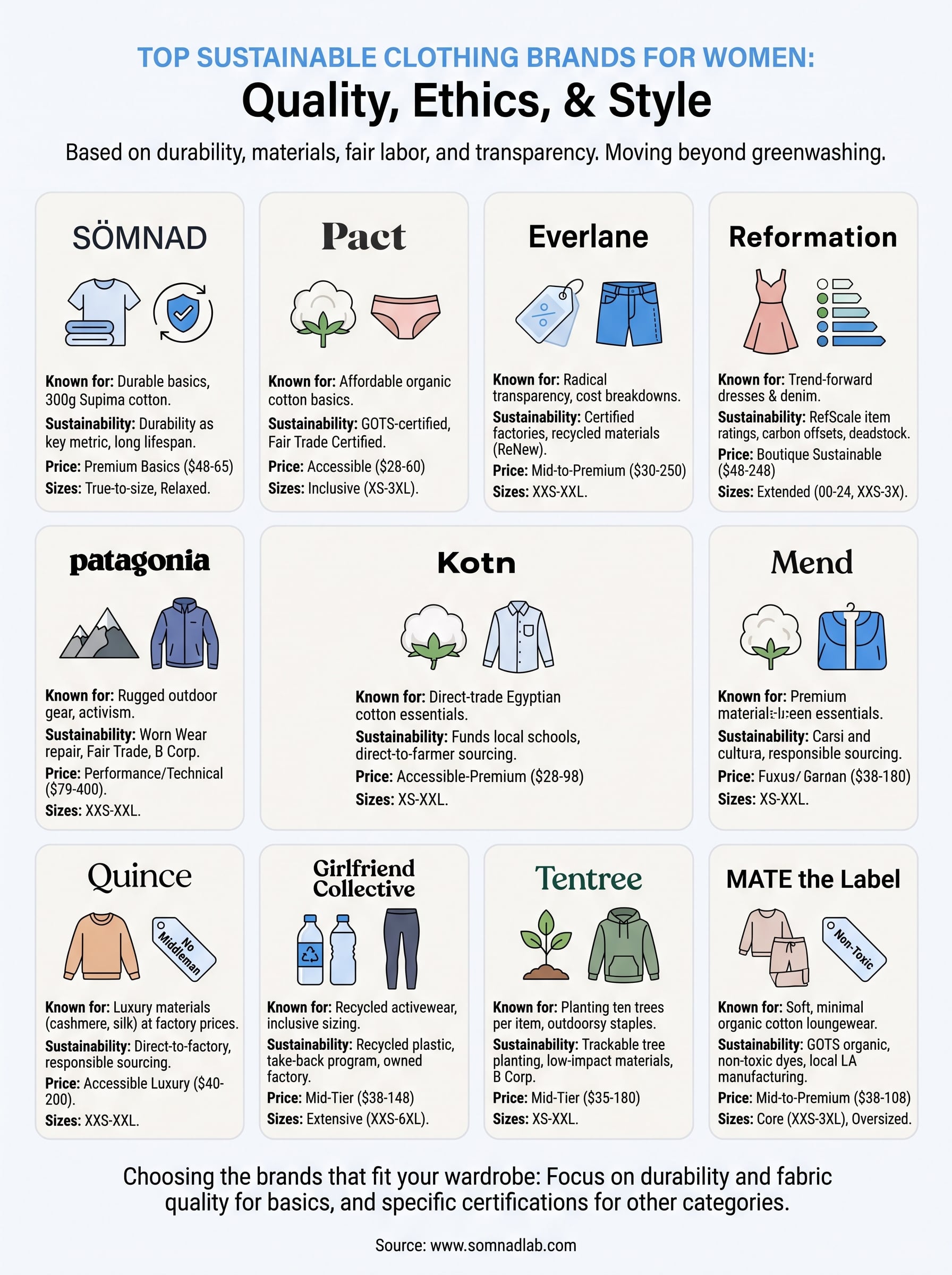
Choosing the brands that fit your wardrobe
No single brand on this list covers every category, and that's fine. Christy Dawn handles the statement dress, Girlfriend Collective covers your workout rotation, and Eileen Fisher builds the layers you'll still wear in a decade. But if your wardrobe gap is the basics, the tees, crewnecks, and everyday staples that everything else gets built around, that's where fabric quality and construction matter more than any certification badge.
The real test isn't what a brand claims on its About page. It's whether the shirt still fits right after fifty washes. That's the standard worth shopping by, and it's why durability-first basics deserve a spot in your rotation alongside the statement pieces and specialty categories covered above.
If you're ready to build that base layer of your wardrobe with pieces made to outlast a season, check out SÖMNAD's current lineup and see how a well-made basic actually holds up.