


Most people own more clothes than ever and yet feel like they have nothing to wear. That's not a wardrobe problem, it's a consumption problem. The slow fashion benefits go far beyond feeling good about your purchases. They reshape how you think about quality, value, and what actually belongs in your closet.
At SÖMNAD, we build our entire brand around one idea: less, but better. Every piece we make, from fabric selection to final stitch, exists because we believe fewer, well-made essentials outperform a closet stuffed with disposable basics. That philosophy didn't come from a trend report. It came from seeing how fast fashion fails people in fit, durability, and long-term value.
This article breaks down five concrete benefits of slow fashion that affect your wallet, your style, and the world beyond your wardrobe. Whether you're just starting to rethink your buying habits or you've been on this path for a while, these reasons make a strong case for building a smarter wardrobe in 2026, one intentional piece at a time.
1. Durability that makes basics worth the money
Durability is one of the core slow fashion benefits that shows up directly in your bank account. Fast fashion pricing tricks you into thinking you're saving money, but garments that fall apart after a handful of washes force you to keep buying. A single well-made piece that lasts five years almost always costs less over time than five cheap pieces that last one year each.
Why long-lasting construction changes cost per wear
Cost per wear is a simple calculation: divide the price by the number of times you wear a garment. A $15 tee worn 20 times before it thins out costs $0.75 per wear. A $75 tee worn 200 times costs $0.38. Investing in construction quality from the start changes the real price of what you own.
The garment that costs more upfront often costs significantly less over time once you factor in how many wears you actually get from it.
What durability looks like in everyday essentials like tees
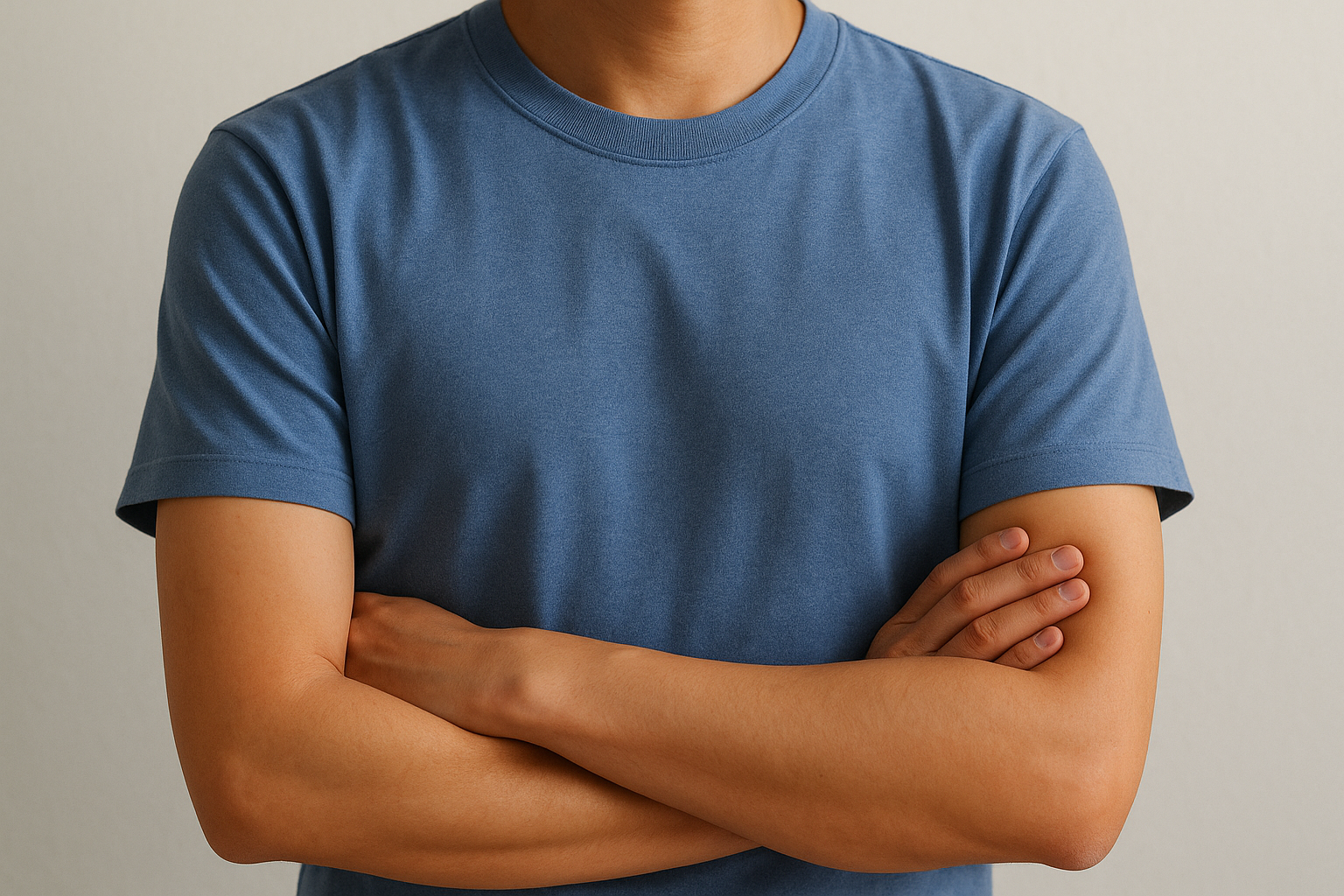
In a basic tee, durability comes from fabric weight and knit density. Look for heavy-weight cotton like 300g Supima that resists pilling and holds its shape after repeated washing. Seams should lie flat with no loose threads, and the collar should return to its original form after stretching.
- Fabric weight above 250g per square meter resists thinning
- Ring-spun or combed cotton holds structure better than standard cotton
- Reinforced side seams prevent warping over time
How SÖMNAD fits the slow fashion approach to basics
SÖMNAD's relaxed tee uses 300g Supima cotton because it handles repeated wear without losing structure or softness. Every construction decision prioritizes material quality and longevity, not visible branding or unnecessary markup.
How to shop for durability without getting tricked by hype
Words like "premium" on a label mean nothing without specific fabric data to support the claim. Ask for the GSM weight, fiber content, and construction method before buying. Those three details tell you more about real durability than any marketing copy ever will.
2. Less waste and a smaller environmental footprint
One of the clearest slow fashion benefits is what you stop contributing to: landfills. Fast fashion overproduction sends billions of garments into waste streams every year, many of which never even sell before they're discarded.
How slow fashion reduces overproduction and landfill waste
Slow fashion brands produce in smaller runs, which means less unsold inventory rotting in warehouses. When you buy a piece built to last, you exit the cycle of constant replacement that fuels overproduction.
Buying one garment you'll wear for years replaces six you'll discard within months.
Why fibers and fabric blends matter for microplastics
Synthetic fibers like polyester shed microscopic plastic particles every wash cycle, sending them directly into waterways. Natural fibers such as Supima cotton break down without releasing plastic into the environment.
How to spot lower-impact materials and dyes
Look for GOTS-certified organic cotton or OEKO-TEX certified fabrics, both of which signal tighter controls on chemical use during production. Avoid blends that combine multiple synthetics without clear certification.
- GOTS covers both fiber production and processing
- OEKO-TEX certifies the finished fabric is free from harmful substances
How to extend garment life with simple care habits
Washing in cold water and air-drying your basics dramatically slows fiber breakdown. Your garments last longer when you skip the dryer and turn them inside out before each wash cycle.
3. More ethical labor and better supply chain transparency
One of the most overlooked slow fashion benefits is what it means for the people making your clothes. Fast fashion economics push factories to cut labor costs at every turn, and workers bear that cost directly.
What slow fashion changes about wages and working conditions
Slow fashion brands produce smaller volumes at higher margins, which creates room to pay fair wages and maintain safer factory conditions. When a brand charges more per garment, that gap often reflects better treatment of the people who made it.
Price isn't always proof of ethics, but a suspiciously low price almost always signals someone else is absorbing the real cost.
What real transparency looks like from a brand
Genuine transparency means names, locations, and audit results, not vague language about "responsible sourcing." Look for brands that publish their factory partners and share [third-party certifications](https://www.somnadlab.com/blogs/insights/ethical-clothing-brands-for-men) rather than writing their own standards.
Questions to ask before you buy
Before purchasing, ask yourself these three things:
- Does the brand name the factories where production happens?
- Are labor certifications like Fair Trade or SA8000 listed on the product page?
- Does the brand explain its pricing breakdown?
Red flags that signal fast-fashion practices
Phrases like "ethically inspired" or "conscious collection" without supporting data are marketing, not evidence. If a brand cannot tell you where and by whom a garment was made, that silence is your answer.
4. A simpler wardrobe with stronger personal style
One of the quieter slow fashion benefits is what it does to your relationship with your clothes. When you stop chasing trends and start buying with intention, your personal style becomes clearer, not more limited.
Why timeless pieces beat trend cycles in 2026
Trend-driven buying locks you into constant replacement as styles shift each season. A well-chosen basic stays relevant year after year because good proportion and quality fabric don't expire.
Clothes tied to a trend have a built-in end date. Clothes built on fit and fabric do not.
How slow fashion supports a capsule wardrobe
A capsule wardrobe works because every piece pairs with everything else you own. Slow fashion's focus on neutral palettes and clean silhouettes makes that foundation easy to build:
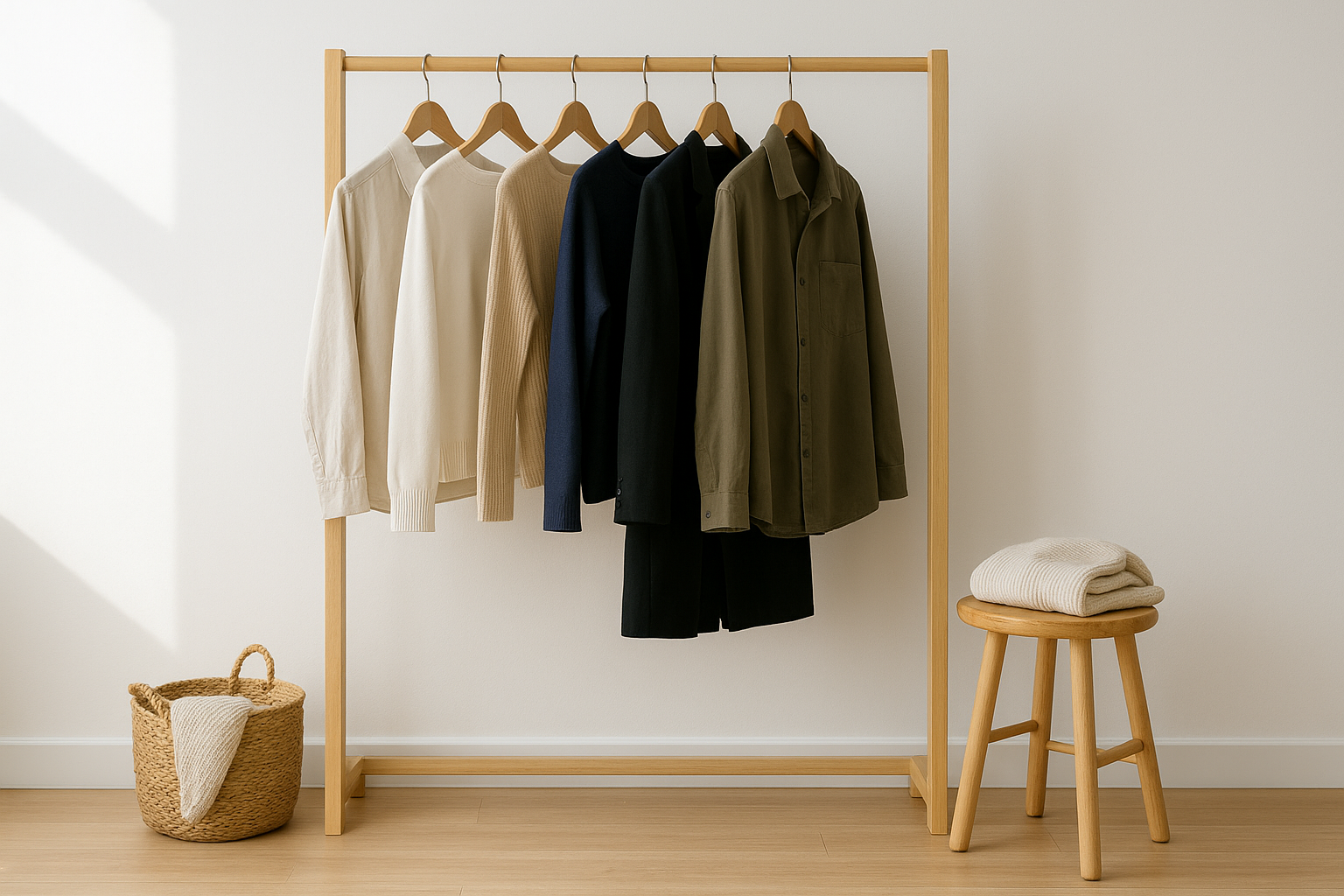
- Fewer pieces create more outfit combinations
- Each item earns its place rather than filling space
How to choose versatile colors, silhouettes, and layers
Start with neutral tones like white, black, and warm earth colors that mix without effort. Choose relaxed fits that work alone or layer cleanly under jackets and overshirts.
- Neutrals: white, black, sand, navy, olive
- Silhouettes: relaxed and straight-cut, avoiding oversized or fitted extremes
How to buy less without feeling bored with your clothes
Texture and fabric weight create visual variety without adding new pieces to your rotation. A small set of well-constructed basics in different weights gives you more range than a drawer full of similar-quality throwaways.
5. Better comfort and fewer compromises on quality
One of the most personal slow fashion benefits is how a well-made garment actually feels to wear. Cheap construction cuts corners in ways you notice immediately: rough seams, stiff fabric, and collars that stretch on the first wear.
How fabric weight, knit, and finishing affect comfort
Heavier fabric weights like 280-300g GSM sit against your skin with more stability and softness than thin alternatives. Finishing processes like garment washing or pre-shrinking reduce stiffness and make the fabric feel broken-in from day one.
Why fit and patterning matter as much as fabric
A well-drafted pattern accounts for natural movement, so the garment moves with you rather than pulling at the shoulders or bunching at the waist. Fit precision separates a piece you reach for daily from one you avoid wearing.
The best fabric in a poorly cut garment still feels wrong every time you put it on.
How higher-quality basics hold shape after repeated wear
Dense knit construction resists stretching at stress points like necklines and cuffs. Your basics hold their original proportions through dozens of wash cycles when fiber quality and knit density support long-term structure.
When a higher upfront price actually makes sense
Paying more upfront makes sense when construction data supports the claim. Look for specific fiber content, GSM weight, and knit type before buying, and the price becomes straightforward to justify.
Next steps
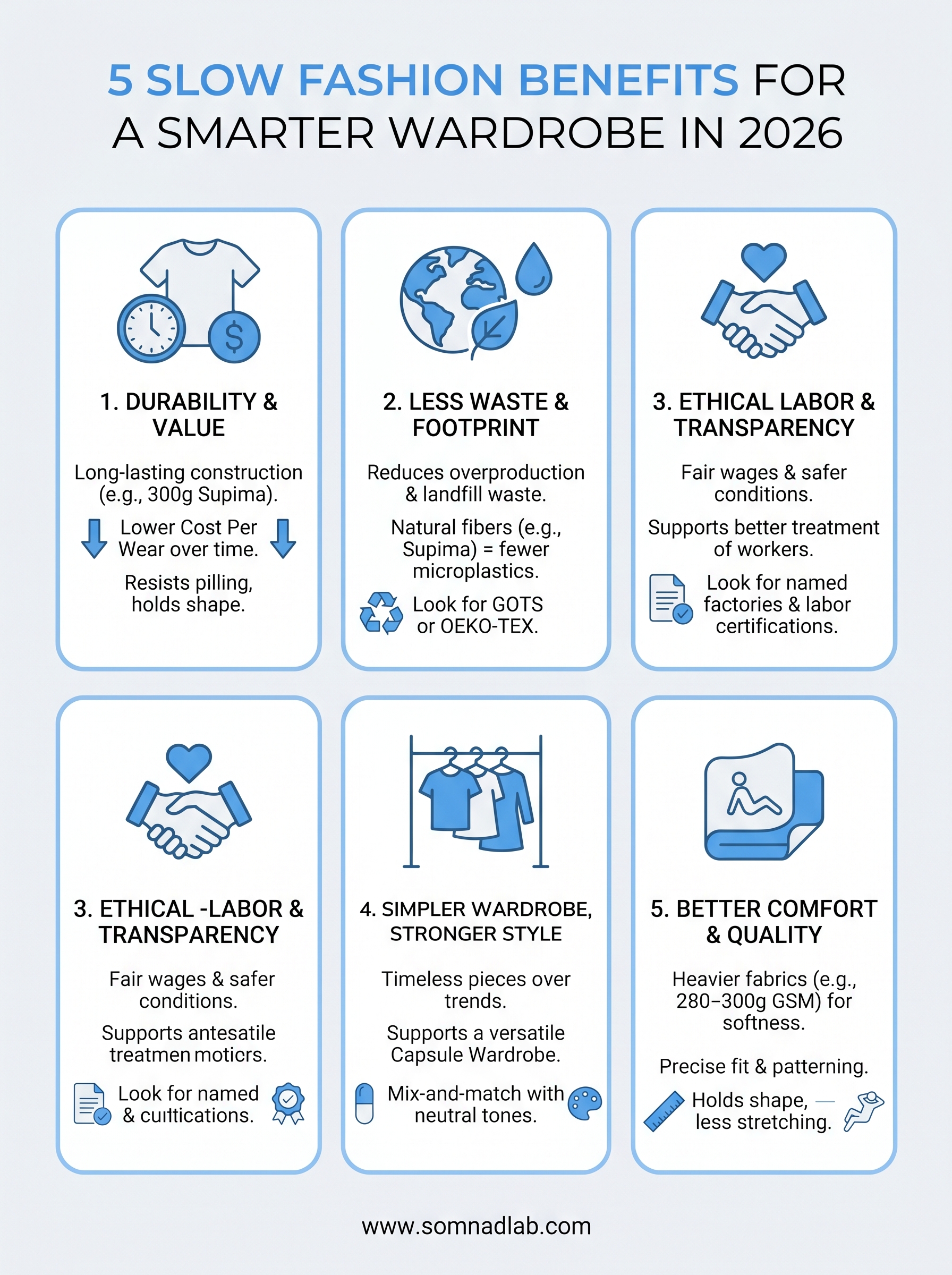
The slow fashion benefits covered here point in one direction: buying less, but buying better. When you prioritize durability, ethical production, and fabric quality, you spend less over time, own less clutter, and wear clothes that actually fit your life. None of this requires a complete wardrobe overhaul. Start with one replacement, one intentional purchase that checks real boxes like fiber content, construction quality, and honest pricing.
Your everyday basics are the right place to begin. A well-made tee in heavy-weight cotton gets more wear per year than any trend piece you've ever owned, and it holds its shape long enough to justify the price difference. If you want a starting point built on these exact principles, explore the premium everyday essentials at SÖMNAD. Every piece there is designed to earn a permanent spot in your rotation, not fill a drawer until the next sale comes around.