


Fast fashion piles up fast. You buy a shirt, it thins out after ten washes, and you're back to shopping again in a few months. That cycle is exactly what's pushing more people toward sustainable women's clothing brands that build for longevity instead of turnover. If you're tired of replacing the same basics every year, you're already asking the right question.
This list gets straight to it: 13 eco friendly and ethical clothing brands actually worth your money in 2026, chosen for real fabric quality, transparent sourcing, and construction that holds up. No greenwashing, no vague "eco-conscious" labels without proof behind them. Just brands that back up their claims with better materials and better manufacturing.
We put ourselves in this conversation too. At SÖMNAD, we build relaxed tees from 300g Supima cotton designed to outlast typical basics, because durability is its own form of sustainability. Fewer replacements, less waste, better cost per wear. Keep reading for a rundown of brands, including our own approach, that treat quality as the real measure of sustainable fashion.
1. SÖMNAD
SÖMNAD sits at the top of this list because it approaches sustainability from an angle most brands skip: fewer, better-made pieces instead of constant new drops. The brand's whole model rests on a simple idea, that a garment built to survive years of wear does more for the planet than one made to be replaced every season. That's why the core lineup stays tight and focused on essentials rather than chasing trend cycles.
Why it's sustainable
Every SÖMNAD tee starts with 300g Supima cotton, a heavier, longer-staple cotton that resists pilling, holds its shape wash after wash, and doesn't stretch out of form the way cheap cotton blends do. That thickness matters more than it sounds. A shirt that survives 100 washes instead of 20 means one shirt replaces five, and that math is the whole sustainability argument in a nutshell.
A garment that lasts five times longer does five times less damage, no certification required.
Construction backs up the fabric choice. Reinforced seams, clean stitching, and a fit engineered to hold its shape through repeated wear mean these pieces don't end up in a donation pile after one summer. SÖMNAD also skips the loud branding and seasonal microtrends that push people toward impulse buys they'll toss within a year, favoring clean, logo-free design that stays relevant regardless of what's trending.
Best for
Women who want a genuinely reliable everyday tee and are done rebuying the same basic every few months fit this brand best. If you layer often, whether under jackets, over other tops, or on its own, you'll notice the difference in how the fabric drapes and holds up over a full day. SÖMNAD suits shoppers who've already tried the fast-fashion route and gotten burned by thin, see-through fabric that pilled after a handful of washes. It's also a strong fit for anyone building a capsule wardrobe around a handful of dependable staples rather than a closet full of options they rarely wear twice.
Price range
SÖMNAD's relaxed tee runs in a mid-range bracket that reflects the cost of heavier-weight Supima cotton and better construction, not brand markup for a logo you'll never see. Expect pricing that sits above typical fast-fashion basics but below premium designer labels, positioning the brand for shoppers who understand cost per wear matters more than sticker price alone.
- Relaxed tee: mid-range pricing, positioned between fast fashion and premium designer basics
- No membership fees, subscription models, or bundled upsells
- Pricing reflects fabric weight and durability, not logo premium
That pricing model rewards buying one great tee instead of three mediocre ones, which is really the point of the whole brand.
2. Pact
Pact built its whole brand around organic cotton basics at prices that don't require a second mortgage, which is rare in the sustainable clothing space. The Boulder-based company started with tees and underwear and has since expanded into loungewear, sleepwear, and baby clothes, all while keeping the same commitment to clean materials and fair labor.
Why it's sustainable
Pact sources exclusively from GOTS-certified organic cotton farms, meaning the cotton grows without synthetic pesticides or fertilizers that leach into soil and waterways. Every factory in its supply chain carries Fair Trade Certified status, which means workers earn premiums on top of wages and factories meet independent labor standards. Pact also publishes its factory list, a level of transparency most clothing brands that are sustainable still avoid.
Certifications only matter when a brand lets you check them, and Pact does.
The company ships in recycled and recyclable packaging too, cutting down on the plastic waste that piles up with most online orders.
Best for
Budget-conscious shoppers who still want verified organic materials fit Pact well. It suits anyone stocking up on everyday underwear, tees, and loungewear rather than shopping for statement pieces. Parents also gravitate toward Pact's baby and kids' lines, since organic cotton matters even more against sensitive skin. If you want a full wardrobe refresh without premium pricing, Pact covers more categories than most brands on this list.
Price range
Pact sits at the accessible end of sustainable fashion, with most basics priced closer to fast fashion than to premium organic labels.
- Tees and tanks: roughly $28 to $38
- Underwear multipacks: roughly $30 to $45
- Loungewear sets: roughly $50 to $80
That pricing makes Pact one of the easiest entry points into eco friendly and ethical clothing brands without a steep learning curve on cost.
3. Everlane
Everlane built its reputation on radical transparency, publishing the actual cost breakdown of materials, labor, and transport behind many of its products. The San Francisco brand made "know your factories" a core part of its identity long before sustainability marketing became standard practice, and it still lists factory locations and audit details on its site rather than burying them in a footnote.
Why it's sustainable
Everlane works with factories it audits for fair wages and safe working conditions, and it discloses which ones meet its own ethical standards versus which ones are still improving. The brand has also shifted much of its denim and outerwear production toward recycled and organic fibers, cutting virgin plastic and pesticide-heavy cotton out of a growing share of its catalog. Its ReNew line turns plastic bottles into fleece and outerwear, giving discarded material a second life instead of letting it sit in a landfill.
Transparency only counts as sustainability when the numbers behind it hold up to scrutiny.
That said, Everlane isn't fully organic or fully recycled across the board, so shoppers who want guaranteed materials should check the product tag before buying.
Best for
Shoppers who want variety beyond basics, think denim, outerwear, and workwear, alongside tees, fit well with Everlane. It also suits anyone who wants to see the actual cost math behind a garment before deciding it's worth the price. If you're comparing sustainable clothing brands for women on transparency alone, Everlane sets a high bar few competitors match.
Price range
Everlane sits in the mid-range bracket, a notch above Pact but below premium designer sustainable labels.
- Tees and basics: roughly $30 to $50
- Denim: roughly $78 to $128
- Outerwear: roughly $150 to $250
That range makes Everlane a reasonable stop for shoppers ready to spend a bit more for broader category coverage.
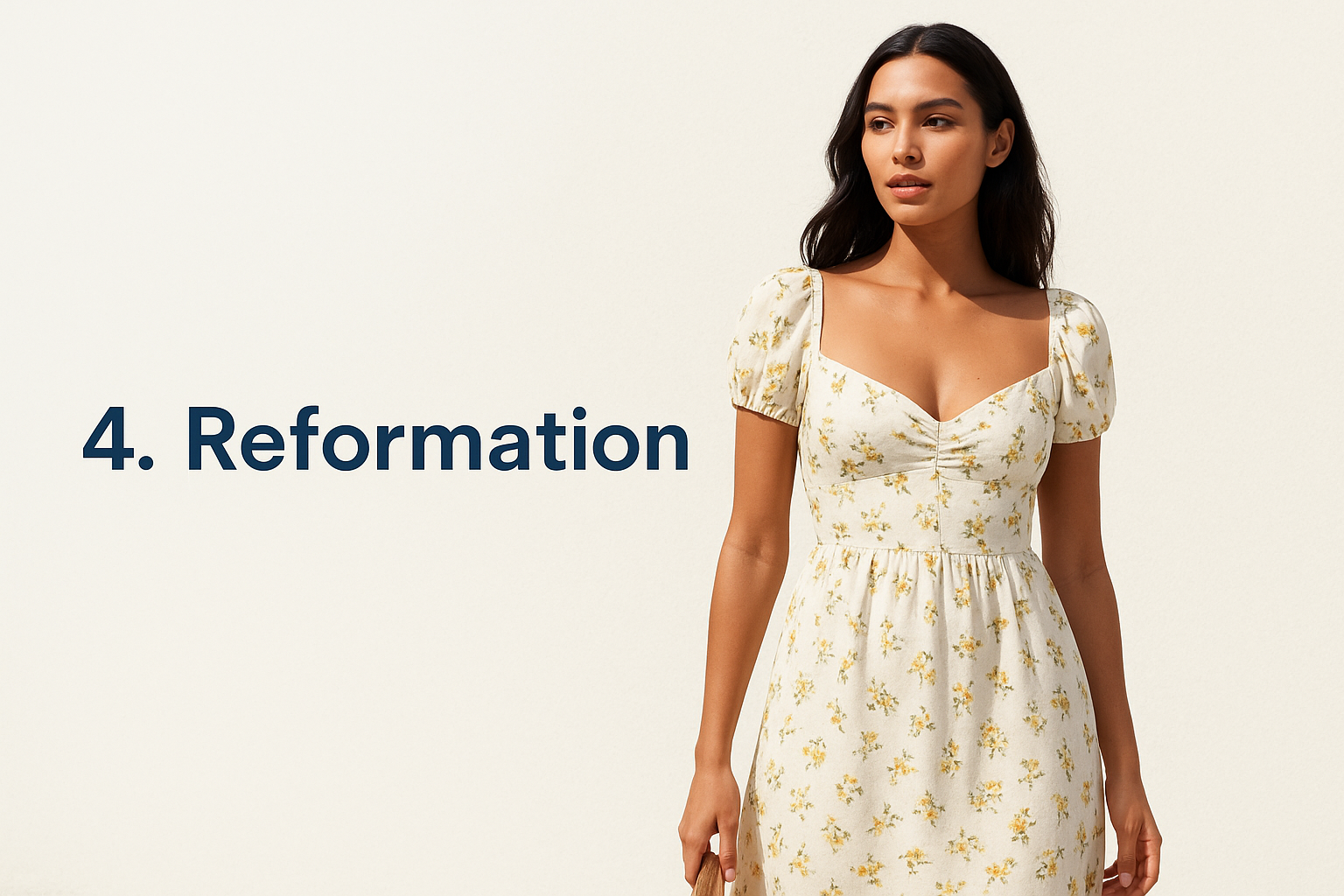
4. Reformation
Reformation built its name on proving that trendy, feminine silhouettes don't have to come at the planet's expense. The Los Angeles brand tracks and publishes the environmental footprint of every product, right down to water usage and carbon emissions, so shoppers see the real cost of a garment before checking out. It's one of the few brands that made sustainability data part of the shopping experience instead of a separate sustainability page nobody reads.
Why it's sustainable
Reformation sources from deadstock fabric, Tencel, and recycled materials whenever possible, cutting down on the virgin resources most fast-fashion brands lean on. The company has run carbon-neutral operations since 2015, offsetting emissions it can't yet eliminate through verified carbon credit programs. Its Los Angeles factory pays workers above minimum wage and gives them ownership stakes in the company, a labor model most clothing brands that are sustainable don't touch.
Publishing your footprint only matters if you're willing to shrink it every year, and Reformation keeps doing that.
Reformation also takes back old clothing through a resale and recycling program, giving garments a second life instead of a landfill slot.
Best for
Women shopping for dresses, going-out pieces, and trend-forward basics fit Reformation best. It suits shoppers who want sustainability without sacrificing fit or style, since the brand leans feminine and body-conscious rather than boxy or purely utilitarian. If your wardrobe needs statement pieces alongside staples, Reformation covers that gap better than most brands built purely around basics.
Price range
Reformation sits in the mid-to-premium range, pricing that reflects domestic manufacturing and higher-cost sustainable fabrics.
- Tees and basics: roughly $48 to $68
- Dresses: roughly $128 to $248
- Denim: roughly $98 to $148
That pricing puts Reformation above Everlane but below full luxury sustainable labels, a fair trade for domestic production and trend-forward design.
5. Eileen Fisher
Eileen Fisher has spent decades proving that timeless, flowing silhouettes can carry a real environmental conscience without sacrificing wearability. The brand built its name on simple, drapey pieces in neutral tones, and it has quietly become one of the most rigorous sustainable clothing brands for women through its take-back program and long-term material commitments.
Why it's sustainable
Eileen Fisher runs Renew, a take-back initiative that collects worn garments, resells the ones in good shape, and shreds the rest into insulation or new fiber rather than sending them to a landfill. The brand has also pushed hard toward organic cotton, responsibly sourced wool, and Tencel, cutting synthetic fibers out of a growing share of its lines each year. Its dye process uses low-impact, non-toxic dyes that reduce the wastewater pollution typical of conventional textile dyeing.
A brand that buys back its own clothes has more skin in the sustainability game than one that just talks about it.
Factories in the supply chain undergo social compliance audits, and Eileen Fisher publishes progress reports tracking how close it's getting to its stated environmental goals, not just the goals themselves.
Best for
Women who prefer relaxed, drapey fits over fitted or trend-driven silhouettes fit Eileen Fisher well. It suits shoppers building a mature, understated wardrobe meant to last across seasons rather than chase what's currently trending. If you already own pieces you plan to wear for a decade, Eileen Fisher's take-back program gives you somewhere responsible to send them eventually.
Price range
Eileen Fisher lands in the premium tier, pricing that reflects natural fibers and a genuinely closed-loop take-back system.
- Tees and knits: roughly $68 to $118
- Dresses: roughly $178 to $298
- Outerwear: roughly $248 to $448
That pricing suits shoppers investing in fewer, longer-lasting pieces rather than frequent wardrobe turnover.
6. Patagonia
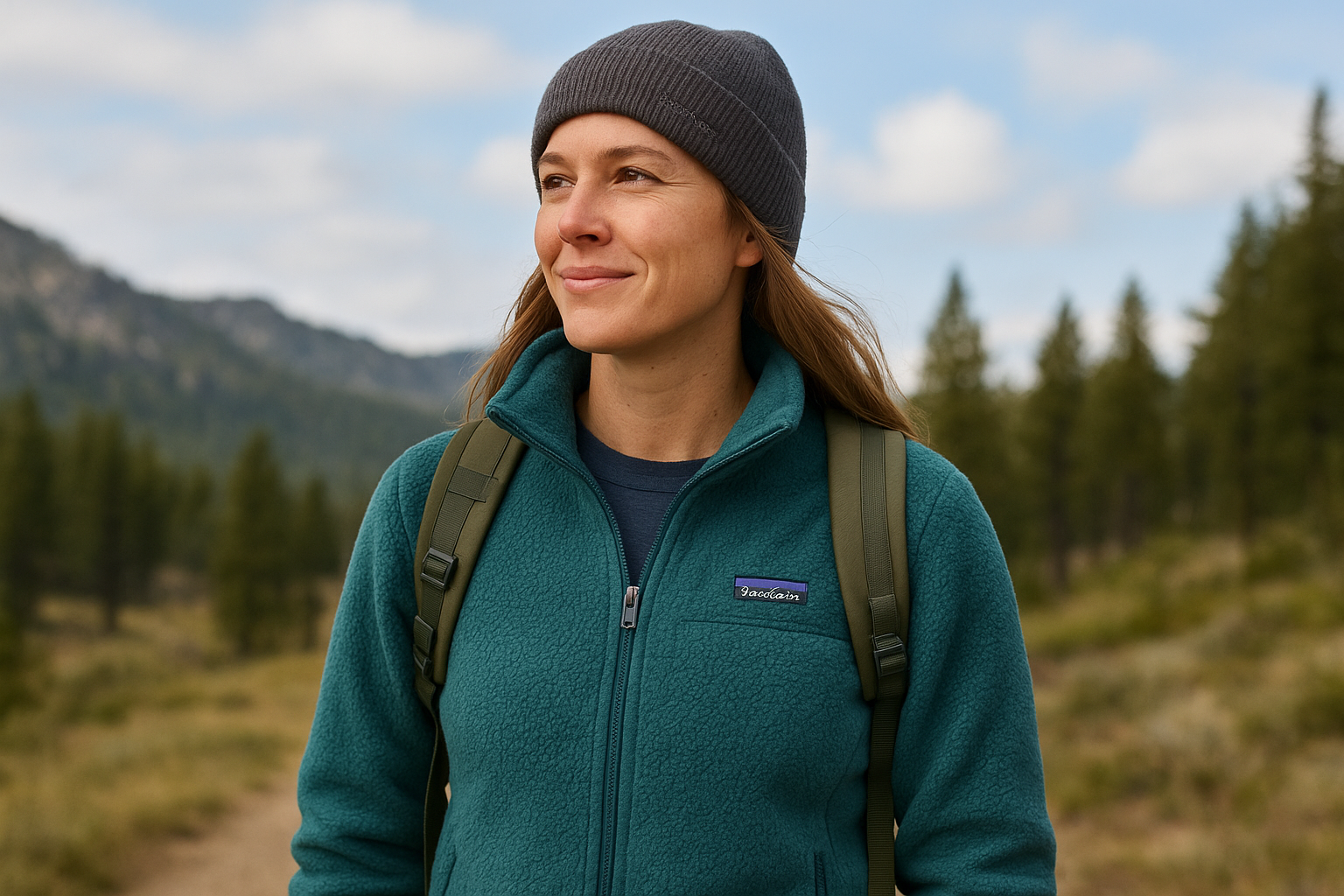
Patagonia earned its reputation long before sustainability became a marketing checkbox, building an entire company culture around environmental activism as much as outerwear. The brand donates a portion of sales to grassroots environmental groups and famously ran an ad telling customers not to buy a jacket they didn't need, a stance most retailers would never touch.
Why it's sustainable
Patagonia uses recycled polyester, organic cotton, and Fair Trade Certified sewing across most of its catalog, and it was one of the first major outdoor brands to push recycled materials into mainstream production. Its Worn Wear program repairs, resells, and recycles used gear instead of letting it pile up in landfills, extending the life of jackets and fleece that would otherwise get tossed. The company also holds 1% for the Planet membership, donating that percentage of sales to environmental causes every single year regardless of profit.
A company that funds repair over replacement is betting against its own sales growth, and Patagonia keeps making that bet.
Supply chain audits cover both environmental impact and labor conditions, with results published in Patagonia's annual footprint reports rather than kept private.
Best for
Outdoor-minded women who need durable outerwear, fleece, and technical layers fit Patagonia best. It suits shoppers who hike, camp, or spend serious time outside and want gear built to survive years of hard use rather than a season of light wear. Anyone drawn to brands that back environmental claims with actual funding, not just messaging, will find Patagonia among the most credible eco friendly and ethical clothing brands on the market.
Price range
Patagonia sits in the premium tier, with pricing reflecting technical performance fabrics and repair-focused construction.
- Tees and base layers: roughly $35 to $55
- Fleece and mid-layers: roughly $99 to $179
- Jackets and outerwear: roughly $150 to $400
That pricing rewards buyers who repair gear instead of replacing it, which is exactly the behavior Patagonia designs for.
7. Kotn
Kotn built its brand around Egyptian cotton sourced directly from smallholder farms, cutting out the layers of middlemen that usually separate a cotton farmer from a finished tee. The Toronto-based company works straight with farmers in the Nile Delta, paying above market rate and reinvesting profits into the communities that grow its raw material. That farm-direct model is rare among clothing brands that are sustainable, most of which buy cotton through commodity markets with little visibility into where it actually came from.
Why it's sustainable
Kotn holds B Corp certification, meaning an independent body verifies its labor practices, environmental impact, and supply chain transparency every few years, not just once. The brand's Kotn Foundation has funded dozens of schools in the farming communities it sources from, tying its business model directly to the people growing its fiber rather than treating sourcing as a footnote. Its factories operate under fair labor audits, and the company keeps its supply chain short, cotton to yarn to finished garment, cutting emissions tied to excess shipping and processing.
Paying the farmer more and cutting out the middlemen does more for sustainability than any certification sticker alone.
Kotn also favors natural, undyed, and low-impact dyed fabrics, avoiding the synthetic dye runoff common in conventional cotton production.
Best for
Shoppers who want soft, breathable basics built around a single traceable fiber source fit Kotn well. It suits anyone who cares as much about where a shirt's cotton grew as how the shirt itself feels, and who wants a brand willing to show its whole supply chain rather than a curated snippet of it. Kotn also appeals to people drawn to minimalist, neutral-toned wardrobes without much pattern or branding.
Price range
Kotn sits in the accessible-to-mid range, priced closer to elevated basics than premium designer labels.
- Tees: roughly $28 to $38
- Sweaters and knits: roughly $58 to $98
- Loungewear: roughly $38 to $68
That pricing makes farm-direct sourcing available without a steep premium attached.
8. MATE the Label
MATE the Label built its name on non-toxic, organic cotton basics made close to home in Los Angeles, skipping the overseas supply chains that make tracing a garment's origin nearly impossible. The brand started with tees and has grown into loungewear, denim, and outerwear, all while keeping the same low-impact approach to dyeing and finishing that set it apart early on.
Why it's sustainable
Growing production stays domestic, with every piece cut and sewn in Los Angeles factories MATE visits and audits directly rather than trusting a distant contractor's word. The brand uses GOTS-certified organic cotton and low-impact, non-toxic dyes that skip the heavy metals and chemical fixatives found in conventional garment dyeing. Packaging comes in recycled and biodegradable materials, cutting the plastic waste that piles up with typical online orders.
Making a garment down the street from where you sell it removes half the guesswork from sustainability claims.
MATE also publishes its factory relationships openly, a transparency habit that puts it in the same conversation as other eco friendly sustainable clothing brands built on verified sourcing rather than vague claims.
Best for
Shoppers who want soft, lived-in basics with a slightly relaxed, undone aesthetic fit MATE well. It suits anyone who prioritizes domestic manufacturing and wants to see exactly which factory made their shirt. Casual dressers building a laid-back, easy wardrobe around tees, joggers, and oversized layers will get the most mileage from this brand's core lineup.
Price range
MATE lands in the accessible-to-mid range, priced to reflect domestic labor costs without tipping into premium territory.
- Tees: roughly $38 to $58
- Loungewear and joggers: roughly $58 to $98
- Denim: roughly $128 to $168
That pricing keeps domestic, low-impact manufacturing within reach for everyday shoppers, not just a niche audience willing to pay a steep premium.
9. Girlfriend Collective
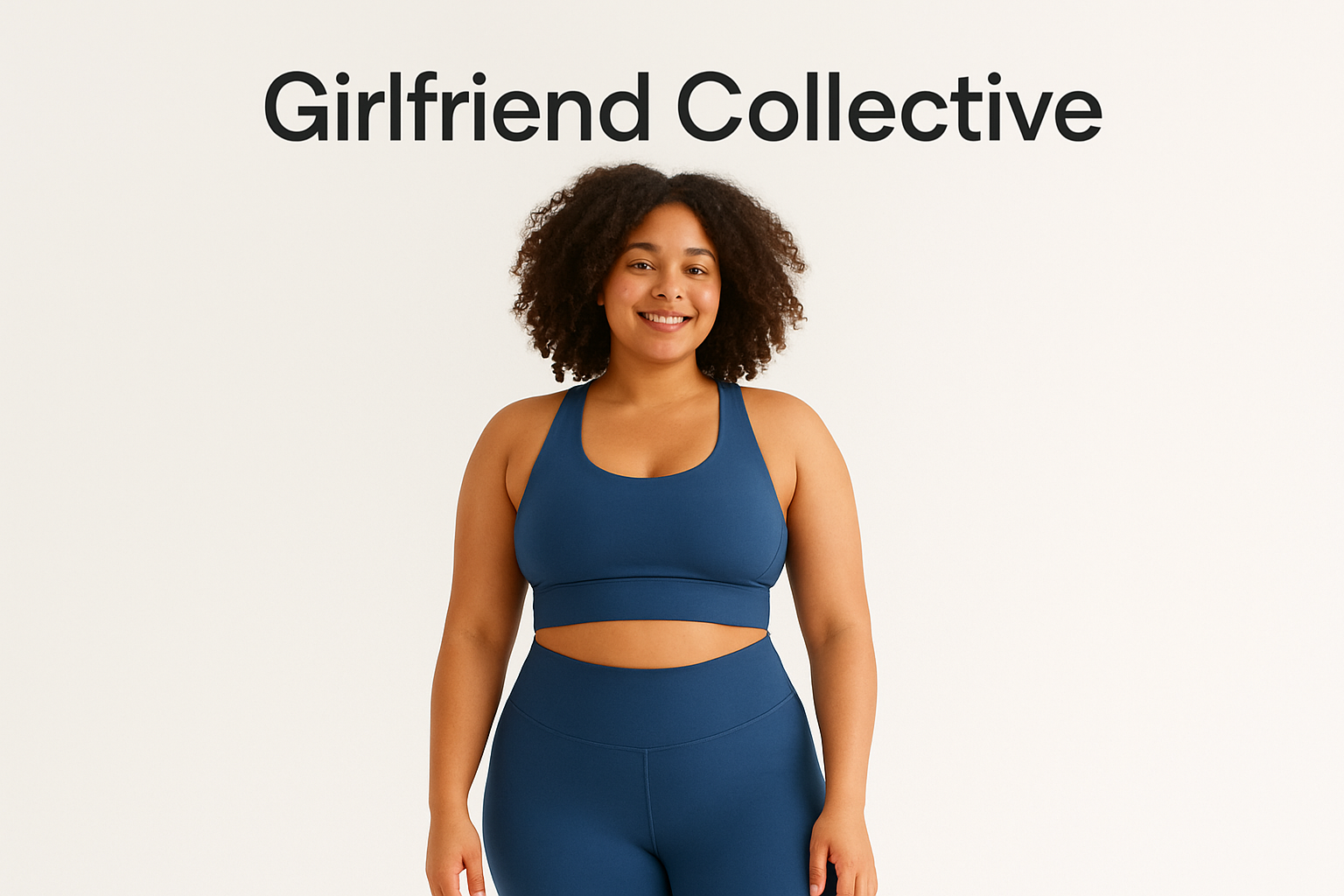
Girlfriend Collective turned recycled plastic bottles into leggings, sports bras, and everyday basics, building an entire size range from XXS to 6XL along the way. The Seattle-based brand started in activewear and has since branched into tees and dresses, but the recycled-material backbone stays consistent across every category it touches.
Why it's sustainable
Underneath the brand's clean packaging sits a fabric story worth knowing: most pieces come from regenerated nylon and post-consumer plastic bottles, diverting waste that would otherwise sit in a landfill or ocean for centuries. Girlfriend Collective discloses exactly how many bottles go into each garment, a level of specificity most sustainable clothing brands for women skip in favor of vague recycled-content claims. Factories operate under fair labor certification, and the company publishes factory names and locations rather than keeping that information private.
Telling shoppers the exact bottle count per legging is the kind of specificity that separates real sourcing from marketing copy.
Girlfriend Collective also runs a take-back program for worn leggings and bras, recycling old activewear into new fiber instead of letting it end up in the trash.
Best for
Active women who want leggings and sports bras built from recycled material without sacrificing fit fit this brand well. Extended sizing makes it one of the more inclusive names among clothing brands that are sustainable, and that range extends into its growing tee and dress lines too. If you live in activewear day to day and want your closet to reflect that habit responsibly, Girlfriend Collective delivers.
Price range
Girlfriend Collective sits in the accessible-to-mid range, keeping recycled materials within reach of everyday shoppers.
- Leggings: roughly $68 to $88
- Sports bras: roughly $38 to $58
- Tees and dresses: roughly $38 to $78
That pricing keeps recycled activewear from feeling like a luxury category reserved for a narrow budget.
10. Christy Dawn
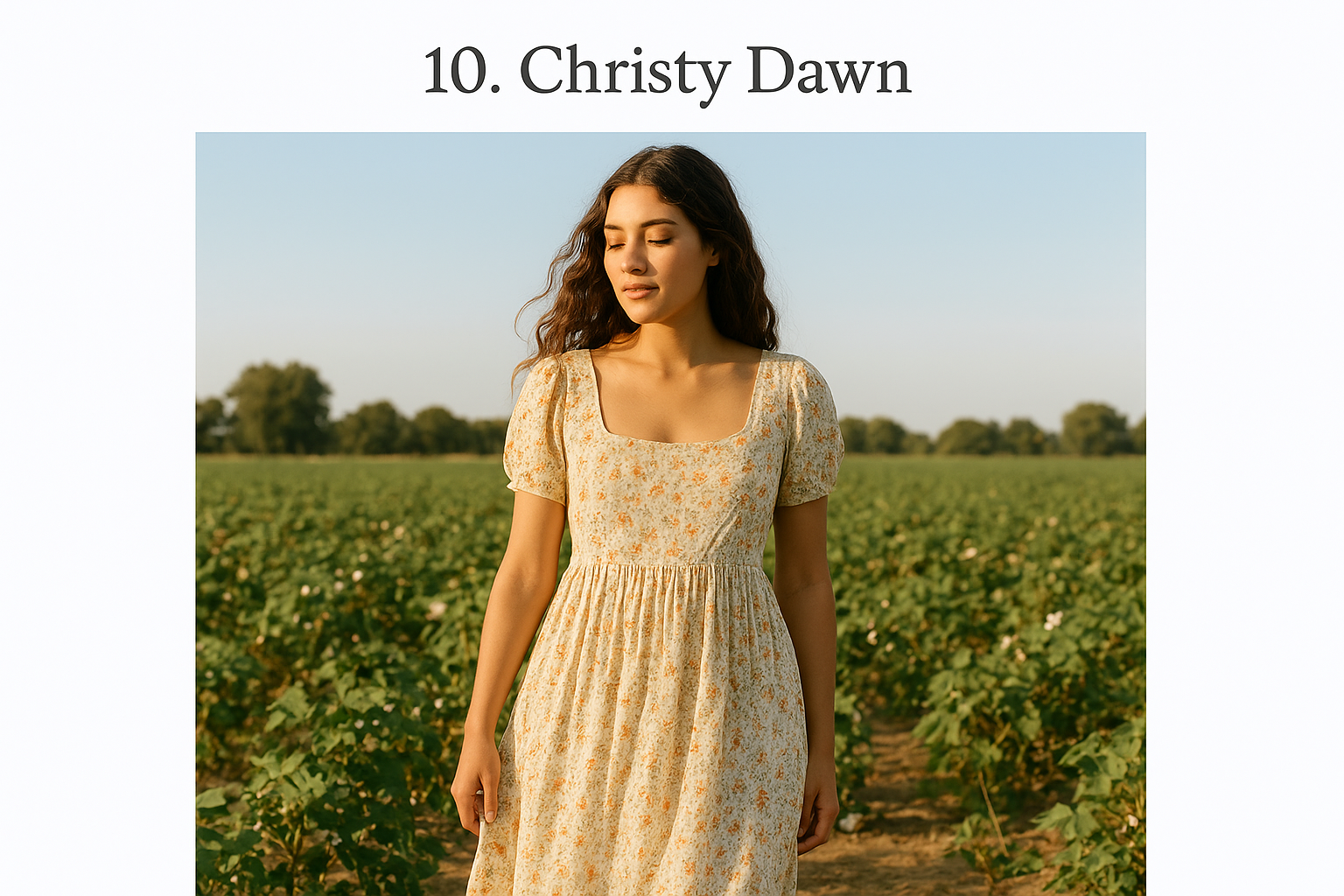
Christy Dawn built its whole identity around regenerative farming, going further upstream than most brands on this list by growing the cotton itself instead of just sourcing it responsibly. The Los Angeles label started with deadstock fabric dresses rescued from fashion industry waste, then pushed further into its own Farm-to-Closet initiative, tracing a dress back to the actual soil it grew from.
Why it's sustainable
Underneath the brand's romantic, prairie-style dresses sits a genuinely rare supply chain: cotton grown on Christy Dawn's own regenerative farm in India, using practices that rebuild soil health instead of depleting it season after season. Regenerative cotton pulls carbon into the ground rather than releasing it, a step beyond standard organic certification that most clothing brands that are sustainable never attempt. Deadstock fabric still fills out a chunk of the catalog too, giving unused mill fabric a second life instead of letting it sit in a warehouse or landfill.
Growing your own cotton regeneratively does more for the planet than any fabric label ever could.
Production stays domestic, with dresses cut and sewn in Los Angeles under working conditions the brand can actually verify firsthand.
Best for
Women drawn to flowy, feminine dresses with a vintage, prairie-inspired look fit Christy Dawn best. It suits shoppers who want statement pieces rather than basics, and who care about the literal soil a garment came from as much as its final stitching. If you're building a wardrobe around a handful of special dresses instead of everyday staples, this brand delivers something few competitors can match.
Price range
Christy Dawn sits in the premium tier, pricing that reflects regenerative farming costs and domestic, small-batch production.
- Dresses: roughly $198 to $328
- Tops: roughly $98 to $148
- Skirts: roughly $128 to $198
That pricing suits shoppers investing in fewer, meaningful pieces over frequent, disposable purchases.
11. tentree
tentree ties every purchase to a concrete environmental action: the brand plants ten trees for every item sold, and it publishes a running tree count on its site so you can watch the number climb. The Vancouver-based company built its whole identity around reforestation at scale, partnering with organizations in Madagascar, Nepal, Senegal, and beyond to plant species suited to each region rather than a single generic tree everywhere.
Why it's sustainable
Beyond the planting model, tentree sources heavily from recycled polyester, hemp, and TENCEL, cutting virgin material out of a large share of its catalog. The brand carries B Corp certification, which means an outside auditor checks its labor practices and environmental claims on a recurring basis instead of taking its word for it. tentree also publishes an annual impact report detailing total trees planted, carbon offset, and factory conditions across its supply chain.
Planting ten trees per purchase only means something if the brand can prove the trees survive, and tentree tracks that too.
Factories undergo social compliance audits, and the company discloses which facilities meet its labor standards rather than folding that detail into vague marketing language.
Best for
Shoppers who want their purchase to fund a visible, trackable environmental action fit tentree well. It suits anyone building a casual wardrobe around hoodies, joggers, and everyday layers rather than tailored pieces or dresses. If you already care about reforestation and want a clothing brand that treats it as a core business function instead of a one-off marketing campaign, tentree delivers that link directly.
Price range
tentree sits in the accessible-to-mid range, keeping recycled and hemp-based materials within reach of everyday shoppers.
- Tees: roughly $35 to $48
- Hoodies and sweatshirts: roughly $68 to $98
- Joggers and loungewear: roughly $58 to $78
That pricing makes reforestation-backed basics an easy addition to a casual wardrobe without a steep premium attached.
12. Boody
Boody built its lineup around bamboo viscose, a soft, breathable fiber that behaves more like a second skin than typical cotton basics. The Australian brand focuses on underwear, loungewear, and everyday tees, leaning into bamboo's natural moisture-wicking and antibacterial properties rather than chasing a broad category range like some competitors on this list.
Why it's sustainable
Underneath the soft-touch fabric sits a genuinely low-impact growing process: bamboo needs minimal water and no pesticides to thrive, unlike conventional cotton, which drains far more resources per garment produced. Boody holds Oeko-Tex Standard 100 certification, confirming its fabrics test free of harmful substances at every production stage, not just the finished product. The brand also carries carbon-neutral certification, offsetting emissions tied to manufacturing and shipping through verified programs rather than vague claims.
A fiber that grows without pesticides or heavy irrigation solves half the sustainability problem before a single stitch happens.
Boody's closed-loop viscose process recovers and reuses the solvents involved in turning raw bamboo into wearable fabric, cutting chemical waste that typically escapes into wastewater during conventional viscose production.
Best for
Women who prioritize comfort against sensitive skin fit Boody especially well, since bamboo fabric tends to feel softer and cooler than cotton for everyday wear. It suits anyone stocking up on underwear, bras, and loungewear rather than shopping for structured or tailored pieces. If you run warm or deal with skin sensitivity, Boody's fabric choice solves a practical problem most sustainable clothing brands for women don't address directly.
Price range
Boody sits at the accessible end of sustainable fashion, pricing its bamboo basics close to mainstream retailers.
- Underwear: roughly $16 to $24
- Tees and tanks: roughly $22 to $32
- Loungewear sets: roughly $45 to $65
That pricing makes bamboo fabric an easy, low-risk entry point into eco friendly sustainable clothing brands.
13. Quince
Quince closes out this list with a model built on cutting out the middlemen entirely, working directly with the same factories that supply luxury brands and passing the savings to shoppers instead of pocketing the markup. The San Francisco-based company sells everything from cashmere sweaters to silk blouses to organic cotton basics, all priced far below what comparable materials usually cost through traditional retail channels.
Why it's sustainable
Quince works with ethically certified factories, requiring fair labor practices and safe working conditions across its supply chain rather than treating audits as optional. Materials lean heavily on natural fibers, Mongolian cashmere, European linen, organic cotton, and responsibly sourced silk, cutting down on the synthetic blends that shed microplastics and never fully break down. The brand also ships with minimal, recyclable packaging, skipping the excess plastic and branded boxes that pad out most online orders.
Cutting out middlemen doesn't just lower the price, it removes layers where labor and environmental standards usually slip.
Quince doesn't publish a full factory list the way some brands on this list do, so shoppers who want maximum transparency should treat this as a gap worth watching rather than a dealbreaker.
Best for
Shoppers who want premium natural fibers, think cashmere, silk, and linen, without premium designer pricing fit Quince well. It suits anyone building a wardrobe around a mix of elevated basics and occasional splurge pieces, since the catalog spans everything from tees to going-out tops. If you've priced out cashmere elsewhere and balked at the number, Quince solves that specific problem better than most brands here.
Price range
Quince sits at the accessible end for the materials involved, undercutting most competitors selling similar fibers.
- Cashmere sweaters: roughly $50 to $80
- Silk tops: roughly $40 to $60
- Organic cotton basics: roughly $20 to $35
That pricing makes natural, higher-end fibers reachable for shoppers who'd otherwise skip them entirely.
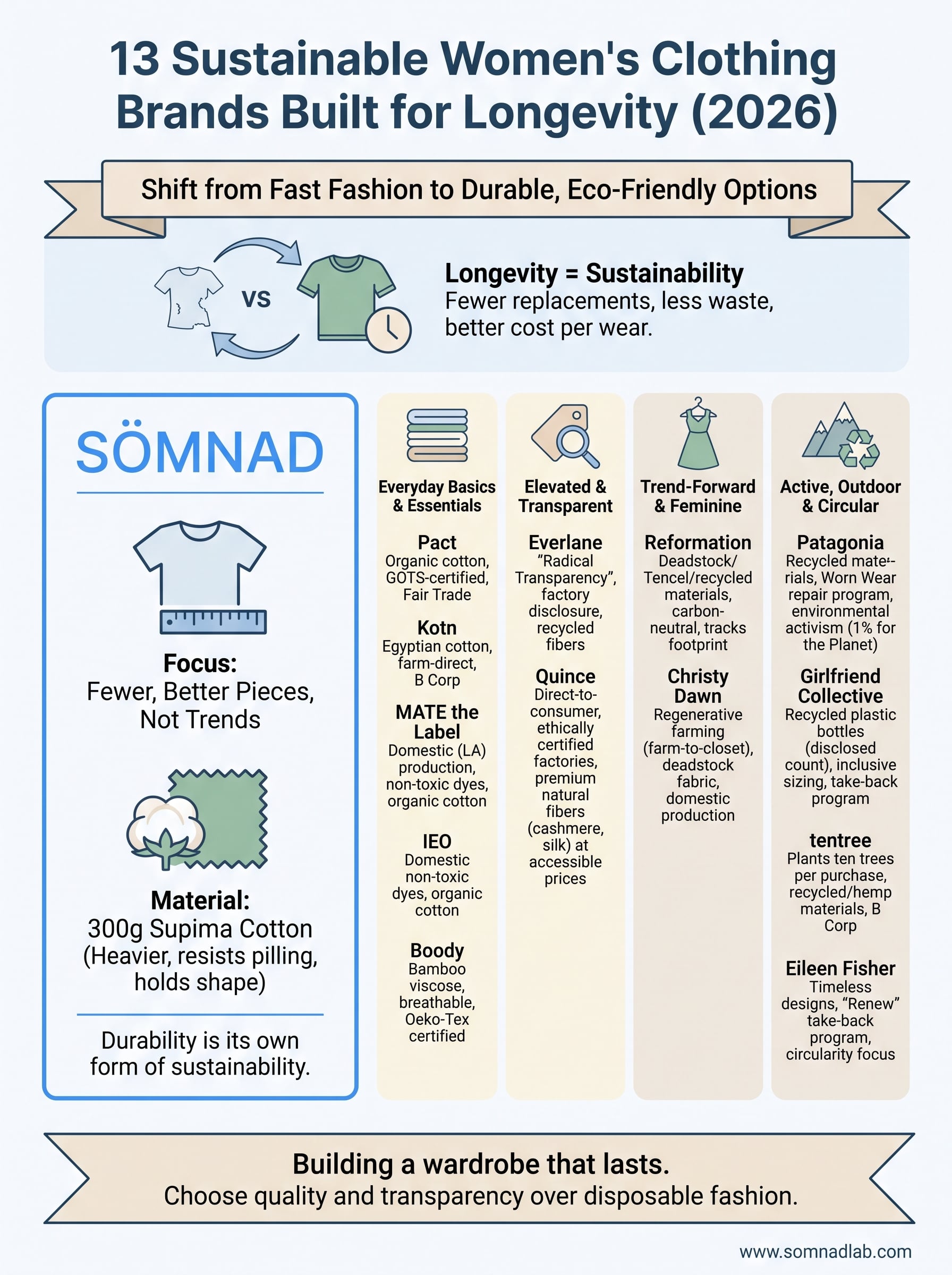
Building a wardrobe that lasts
Thirteen brands, one shared idea: real sustainability comes from fewer, better garments, not another certification badge slapped on thin fabric. Every option here backs its claims with sourcing you can check, materials that hold up, and construction built for years instead of one season. Picking any of these over a fast-fashion haul cuts waste before you even wear the piece once.
Start small if you're overwhelmed. Replace your most-worn basic first, the tee or tank you reach for constantly, and judge the brand by how that single piece performs after twenty washes. That's the real test, not the marketing copy.
If you want to start with the basic that started this whole conversation, shop SÖMNAD's relaxed tee built from 300g Supima cotton designed to outlast the usual wardrobe staple. One tee, worn for years, beats five thin ones tossed after a summer.